
You’re staring down a hair follicle drug test, and the clock is ticking. The internet is a minefield of conflicting claims, miracle cures, and terrifying failure stories. One product name keeps popping up in your search: high voltage detox shampoo.
It’s pitched as a solution, but with so much at stake—your job, your license, your family—you can’t afford to guess wrong. This guide is designed to cut through that noise. We’re going to separate the facts from the dangerous hype, so you don’t waste your money, endure unnecessary pain, or walk into that test center on a false hope. Let’s start by dismantling the most common myths that lead people astray.

Common Misconceptions About Hair Detox Shampoos
You’re right to be skeptical. When your career or your freedom is on the line, you’ll latch onto any promise. But that’s exactly what makes you vulnerable. Before we can fairly evaluate any single product, we need to clear the fog of these widespread, dangerous misconceptions. Let’s look at the most common ones.
Myth #1: “All detox shampoos are basically the same.”
This is a believable assumption because the marketing all sounds identical—promising to “cleanse” or “strip” your hair. When you’re panicked and scrolling, the bottles and claims blur together. The desire for a simple, one-size-fits-all fix is powerful, leading many to believe the cheapest option is just as good as the pricier one.
Myth #2: “A single wash guarantees a pass.”
This myth thrives on desperation and the promise of a quick fix. The idea that one shower session can solve a problem built over months of use is incredibly appealing. It’s often fueled by dramatic before-and-after anecdotes that ignore all the variables—your usage history, hair type, and the test’s sensitivity.
Myth #3: “Household products like vinegar or baking soda work just as well.”
This is the cost-saving myth. When you’re staring down a $200 shampoo, the DIY method using items under your sink feels like a smart, thrifty hack. Online forums are full of folksy “recipes” that make it sound like a proven science, tapping into the very real desire to avoid spending money you might not have.
Myth #4: “If I bleach or dye my hair, it’ll destroy the evidence.”
This one is based on a logical-sounding idea: if you alter the hair, you alter what’s inside it. It’s a common belief because it feels like you’re taking direct, aggressive action. The physical and chemical change seems like it should affect everything embedded in the shaft.
The problem is, acting on these myths without understanding the underlying science is a recipe for failure. To see why these assumptions are so misleading, we first need to look at what a product like High Voltage Detox Shampoo actually claims to do and how it proposes to do it.
Understanding High Voltage Detox Shampoo: Product Facts and Limitations
Alright, so we’ve looked at some of the common myths floating around. The problem with acting on those myths is that they skip over a fundamental step: understanding what you’re actually working with. To make any kind of informed estimate about whether something might work for your specific scenario, you first need a clear, factual baseline of what the product is—and what it isn’t. So let’s set aside the claims and the hopes for a moment and just look at the product itself.
The product in question is High Voltage Detox Folli-Cleanse Shampoo. It’s manufactured by a company called High Voltage Detox, based out of Las Vegas, Nevada. Now, this is a key point for your own due diligence: the company specializes in a range of detoxification products—drinks, supplements, synthetic urine kits, and this shampoo. The primary version you’ll see is the 2-ounce bottle, which is marketed as enough for a single, complete treatment session.
According to its labeling and marketing, it’s positioned as a “hair purifying treatment” or a deep-cleansing formula. The idea is that it’s designed to penetrate beyond the surface of the hair shaft to help remove what they call “toxin-related metabolites.” The claim is that its effects can last up to 36 hours after you use it, which is why the protocol typically calls for using it the night before or the morning of your test.
To understand how it’s supposed to work, you can look at its ingredient list. It’s a mix of common cleansing agents and some more specific compounds. You’ve got surfactants like Ammonium Lauryl Sulfate and TEA-Lauryl Sulfate, which are basically the workhorses that create lather and help strip away oils and residues. Cocamidopropyl Betaine is in there as a milder co-surfactant to help stabilize the foam and maybe reduce some irritation. Then there are the more specialized ingredients: Sodium Thiosulfate, which acts as a reducing agent to break down chemical residues, and Tetrasodium EDTA, which helps chelate or bind to metal ions from hard water, theoretically allowing the cleansers to work better. Glycerin is added as a humectant to counteract drying, and Citric Acid is used to adjust the pH.
Here is where we need to be very clear about the limitations, because this is critical. First, you must understand that this product is sold and labeled exclusively as a dietary supplement. That is a specific legal classification. On its own terms and conditions page, the company states that these statements have not been evaluated by the Food and Drug Administration. It is explicitly not intended to diagnose, treat, cure, or prevent any disease. The manufacturer accepts no responsibility for any use or effects of the product beyond that labeling, and all sales are final with no returns.
In plain terms, this means there is no FDA approval for High Voltage Detox Shampoo to remove drug metabolites or to pass a hair follicle drug test. The company’s own legal disclaimer prohibits its use for any illegal purpose, including defrauding a drug test, and states the buyer assumes all risk. So, when you see marketing claims, you have to weigh them against this official, legal posture. It is not a permanent toxin remover, it’s not a guaranteed one-time solution, and it is not the same as other, more established formulas on the market.
So, now that we have a clearer picture of what this high voltage shampoo actually is—a supplement-grade cleansing product with a specific list of ingredients and some very clear legal boundaries—the logical next question becomes: how are you supposed to use it, and is that process realistic for your situation?
The Application Process and Practical Demands of High Voltage Detox Shampoo
Let’s get into the actual protocol here, because understanding the official application process for the High Voltage Detox Shampoo reveals some significant practical demands. This isn’t a simple “wash and go” scenario. The procedure is a multi-step, time-sensitive protocol with precise handling instructions.
First, the bottle itself is only 2 oz. The entire process requires using all of it, but in two separate applications. You start with a pre-wash using a strong detergent—like Liquid Tide—to strip surface oils and buildup. Then, the High Voltage instructions break down into a specific sequence:
- Step 1: You use one quarter of the bottle (about 0.5 oz). This first application must sit in your hair for a minimum of 20 minutes, but not more than 30, before rinsing.
- Step 2: You then use the remaining three-quarters of the bottle (about 1.5 oz) in a second, final application. The timing and handling rules are just as strict.
The variables stack up quickly. You’re instructed to avoid any toxins for 24-48 hours before you even start. After the process, you’re told the effects last up to 36 hours, but during that window, you must stay cool and minimize sweating to prevent recontamination from toxins excreted in perspiration. You also have to avoid any combs, brushes, or hair products that touched your hair before the cleanse.
Now, many users look at this base protocol and decide it’s not aggressive enough. That’s where the common “hacks” come in, like the Macujo Method. This is a separate, nine-step procedure that incorporates the High Voltage shampoo alongside other harsh chemicals like vinegar, baking soda, and astringents. A single cycle of Mike’s Macujo Method can take 2-3 hours, and it requires complete abstinence from drugs for 12-24 hours before starting and throughout the entire cleansing period.
The physical burden is a real consideration. These aggressive methods, especially when layered, can cause scalp irritation, redness, tingling, and potential hair damage. For someone with dense or thick hair, the instructions even recommend pre-washing multiple times the day before with a non-conditioning shampoo. The time commitment, the strict timing, the physical discomfort, and the list of required materials—it’s a demanding procedure that requires planning and tolerance for discomfort.
So, the question becomes: given this demanding and often painful process, does the reality of user experiences match the promised outcome?
Warning Signs Your Hair Detox Process Is Compromising Your Test
All right, so you’ve committed to the protocol. You’re following the steps, enduring the process, and hoping for the best. But how do you know if it’s actually working versus actively making your situation worse? Given the high stakes, you need to be able to spot the red flags in real time. Here are the critical warning signs that your High Voltage Detox process is compromising your test.
1. Intense Scalp Burning or Pain
A mild tingling sensation can be normal with any potent cleansing product. However, if you experience intense, burning pain that feels like a sunburn or makes you wince, that’s a major warning sign. This level of discomfort suggests the harsh surfactants and acidic components are disrupting your skin barrier, exposing nerve endings, and potentially causing chemical burns. For folks with sensitive skin, eczema, or psoriasis, this risk is significantly heightened. If the burning escalates to the point of creating open sores or scabs, you’ve moved from cleansing to damaging. This isn’t just painful; it’s a clear signal the process is too aggressive for your physiology.
2. Hair Becomes ‘Gummy,’ Brittle, or Breaks Easily
Your hair’s texture is a key diagnostic tool. After a wash, if your hair feels gummy, mushy, or overly brittle—snapping with minimal tension—that’s a problem. This indicates the protein structure of your hair is being severely degraded, likely from the repeated chemical exposure. From a lab technician’s perspective, hair that is fried, broken, or unnaturally damaged is a classic indicator of adulteration attempts. Remember, their protocol includes evaluating sample integrity. Hair that’s been stripped to this degree raises immediate flags that you’ve been trying to manipulate the sample, which can lead to a failed or invalid test result.
3. Persistent Sudsy or Chemical Residue After Rinsing
The final rinse is arguably one of the most important steps. If, after your thorough rinsing, you still see a sudsy lather or feel a slippery, chemical residue on your hair or hands, the process is incomplete. This leftover residue is a compound of the shampoo’s cleansing agents and, potentially, the toxins it was supposed to remove. If not fully rinsed out, this residue can be detected during the lab’s confirmatory testing procedures. It complicates the analysis and is another potential adulteration flag. This is a common concern when evaluating Zydot Ultra Clean’s effectiveness as part of a multi-step regimen. The goal is to leave nothing behind but clean, residue-free hair.
4. Using Water That’s Too Cold or Too Hot
Water temperature is a variable many overlook, but it’s critical. Using water that’s too cold fails to open the hair cuticle—the outer protective layer. If the cuticle remains closed, the shampoo cannot penetrate the hair shaft to reach the embedded metabolites. You’re essentially just washing the surface. Conversely, using water that’s too hot can cause excessive swelling and damage to the cuticle, leading to increased porosity, dryness, and breakage. The ideal scenario is warm water, which helps open the cuticle for cleansing without causing thermal damage. Getting this wrong can mean you’re either wasting your time or actively harming your hair’s structure.
5. Applying Standard Conditioner Immediately After
This is a direct violation of the product’s own instructions, and it’s a critical error. Using a regular conditioner right after your final detox wash can reseal the hair cuticle. If any residual toxins or loosened metabolites are still present near the surface, this sealing action can trap them back inside the hair shaft, undoing the work you just did. The protocol is clear: do not use conditioner or other moisturizing treatments until after your drug test. The immediate aftermath of the detox process is a window where the hair is most vulnerable and open; resealing it prematurely is a significant procedural mistake that compromises the entire effort.
Spotting any of these signs means you need to pause and reassess. Continuing to force a failing process is a risky scenario. It underscores a fundamental challenge with methods like this: the margin for error is thin, and the consequences of getting a variable wrong are severe. This is precisely why reliability and a proven safety profile become such important variables when choosing your approach.
Evaluating the Efficacy of High Voltage Detox Shampoo
So, we’ve walked through the demanding protocol. We’ve outlined the steps, the timing, the chemical assault on your hair and scalp. But the burning, practical question remains, the one that keeps you up at night: does high voltage detox shampoo work? When you strip away the marketing and the hopeful forum posts, what does the actual evidence say?
Let’s start with the hard science, or rather, the notable lack of it. As of my last review, there are no peer-reviewed clinical studies—no randomized controlled trials—that evaluate High Voltage Detox Shampoo’s ability to remove common drug metabolites like THC, cocaine, or opioids from human hair and produce a negative test result. The manufacturer’s website and packaging don’t provide this independent validation, either. What we do have is a single in vitro lab study from 2018. In that controlled environment, soaking hair samples in the shampoo’s formula for eight hours reduced a biomarker called ethyl glucuronide (EtG) by about 83%. Now, that sounds impressive until you note two critical variables. First, EtG is a metabolite of alcohol, not the drugs most people are worried about. Second, plain deionized water reduced it by 27% in the same study. The takeaway is that the shampoo’s alkalinity does something beyond water, but there’s a massive, unproven leap from that lab bench to your follicle test next Tuesday.
This brings us to the flood of high voltage detox shampoo reviews you’ve likely scoured. The pattern in user reports is, frankly, inconsistent. You’ll find a handful of success stories, often from individuals who were light or occasional users, had short, straight hair, and followed the procedure to the letter on the very day of their test. But for every one of those, you’ll find multiple, detailed accounts of failure. These aren’t vague complaints; they are specific scenarios. A user reports doing every wash, every step, over multiple days, only to fail because the tester took hair from their armpit. A chronic, daily smoker follows the protocol and still gets a positive result. Someone with thick, curly, or braided hair finds the process less effective. This pattern of mixed user success and failure rates isn’t just noise; it’s a signal of a method with a very narrow window of effectiveness and a high sensitivity to all the variables we’ve discussed: your usage level, your hair type, your body chemistry, and the tester’s collection method.
When you read those high voltage detox folli-cleanse shampoo reviews, pay close attention to the failures. The most telling are from people who say, “I did every step and still failed.” That’s not a user error problem; that’s a product limitation problem. It suggests the mechanism—harsh alkaline agents trying to break down surface and near-surface metabolites—is fundamentally unreliable for penetrating the hair cortex where metabolites are locked in for heavy or chronic users. The lab’s confirmatory testing, like GC-MS, is designed to see past cosmetic alterations. If the metabolites are still inside the hair shaft, a shampoo that primarily affects the surface is fighting a losing battle.
So, to answer the core question—does high voltage detox shampoo work?—the most honest, evidence-based estimate is: sometimes, for some people, under perfect conditions. It is not a reliable, guaranteed solution. For a high-stakes test where your job or your freedom is on the line, “sometimes” is a terrifying variable. And if this demanding, painful process often fails, it forces us to ask the next critical question: what other risks or hidden downsides come with betting on it?
Potential Risks and Side Effects of Using High Voltage Detox Shampoo
So we’ve established that this product’s effectiveness is, at best, a gamble. But let’s say you’re willing to roll those dice. The next critical variable to estimate is the personal cost of that gamble, because the protocol itself carries its own significant risks. We’re not just talking about wasting money; we’re talking about potential physical harm and an increased chance of getting caught.
The Physical Toll: More Than Just a Bad Hair Day
The core of the High Voltage method is aggressive chemical stripping. The goal is to blast open the hair’s cuticle to reach the cortex, and the tools used are harsh. Think of strong surfactants like ammonium lauryl sulfate—these are powerful detergents designed to strip away oils. The problem is, they don’t just strip the oils you want gone; they strip the natural, protective lipids from your hair and scalp.
This disruption of your skin’s barrier can lead to a direct and painful scenario:
- Scalp Aggression: We’re talking dryness, severe flaking, redness, and raw irritation. For many users, this isn’t a mild tingle; it’s a burning sensation. If you have any pre-existing conditions like eczema or psoriasis, this chemical assault can trigger a major flare-up.
- Chemical Burns and Wounds: The repeated application of acidic solutions (like vinegar) combined with these detergents can compromise the skin barrier entirely. This opens the door to actual chemical burns, stinging, and open sores. Your description of a “sore scalp” or “wounds” isn’t just discomfort—it’s a sign your body’s defenses are failing.
- Hair Integrity Collapse: The process doesn’t just hurt your scalp; it devastates your hair. The cumulative damage from overuse—dryness, brittleness, frizz, and a rough, dull texture—drastically increases breakage risk. In a worst-case estimate, you could be looking at significant hair loss, not from the drug metabolites, but from the detox process itself.
For those with color-treated hair, there’s another variable: the heavy surfactants can cause rapid color fading, making an obvious cosmetic change that wasn’t part of your plan.
The Detection Risk: Waving a Red Flag at the Lab
Here’s the cruel irony: the very damage you endure to try and pass can be what gets you flagged. Labs and collection technicians are sticklers for protocol, and they are trained to spot abnormalities.
- The “Fried Hair” Signal: Hair that’s been subjected to repeated, harsh chemical treatments often looks visibly damaged—over-processed, brittle, and “fried.” This is a red flag during visual inspection. A technician documenting “extremely dry, brittle hair with scalp irritation” is creating a record that suggests tampering.
- The Chemical Signature: Modern testing methods like GC-MS and LC-MS/MS are incredibly sensitive. Beyond just looking for drug metabolites, labs can detect markers of certain cosmetic treatments. While they might not pinpoint “High Voltage Shampoo,” they can identify signs of bleaching or other oxidative damage, which leads to questions.
- The Loophole That Isn’t: You might think damaging the hair to leach out drugs is a clever loophole. The reality is, while extreme bleaching and perming can reduce drug concentrations by 40-80%, it rarely removes them entirely. More importantly, it leaves a trail of evidence. If the damage is severe enough, the lab can reject the sample as “compromised” and request an alternative matrix—like urine or even body hair—which completely invalidates your entire painful effort.
So, the risk-reward calculation here is stark. You accept a high probability of physical pain and potential injury to use a product with a low reliability estimate, all while increasing the odds that a lab technician will spot the evidence of your attempt.
It’s this unfavorable equation that leads so many folks to the next logical, desperate thought: “Why would I pay for this risk when I can just use cheap household products?” That’s a question worth a deep, honest look, because the DIY path has its own set of variables and dangers.
Assessing DIY and Household Alternatives to Commercial Detox Shampoos
Let’s talk about the DIY path, because it’s the first place a lot of folks’ minds go when they see the price tag on a commercial detox shampoo. The logic seems sound: why pay hundreds when you have vinegar and baking soda under the sink? I get the appeal. But we need to walk through the variables here, because this scenario is a gamble with some serious potential consequences.
The core issue is a fundamental misunderstanding of hair biology. Those drug metabolites aren’t just sitting on the surface of your hair like dirt; they get incorporated into the hair shaft itself as it forms, binding to the keratin and melanin inside the cortex. Your hair’s outer layer, the cuticle, is like a protective sheath. Household acids like vinegar or lemon juice, and abrasives like baking soda, simply do not have the chemical mechanism to reliably breach that cuticle and strip out what’s embedded deep inside. They might clean the surface, but the evidence the lab is looking for remains locked in the cortex. You’re scrubbing the outside of a locked safe, hoping the contents will vanish.
Then there’s the extreme scenario: shaving it all off. On the surface, it seems like a clever loophole. But here’s the variable many don’t estimate: if you show up to a collection site with a freshly shaved head, arms, and legs, it’s an immediate, glaring red flag. The protocol for collectors is clear. If head hair is unavailable, they will attempt to collect hair from another part of your body—your chest, underarm, or leg. And this introduces a major problem. Body hair grows much slower than head hair, which means it can hold a record of drug use for up to a year, not just the standard 90 days. You could be trading a 90-day detection window for a 12-month one.
So, the cost-saving measure creates a new set of risks: you signal your attempt to the tester, and you might provide a sample that’s even more incriminating. The physical damage from repeated acidic washes is one thing, but this is a strategic failure. When you calculate the odds—the low probability of household agents working versus the high probability of raising suspicion or providing a worse sample—the DIY method starts to look like a false economy. It leads you to the next logical question: if the cheap stuff doesn’t work and the risky branded product is unreliable, is there actually a proven, more dependable option out there?
Comparing High Voltage Detox Shampoo and Old Style Aloe Toxin Rid
So, if the DIY route is a gamble, where does that leave you? You’re looking at the branded options on the shelf, trying to figure out which one, if any, is actually worth the investment. When you strip away the marketing, the comparison really comes down to a few key variables: what’s in the bottle, how it’s used, and what the people who’ve actually been through the testing scenario have to say.
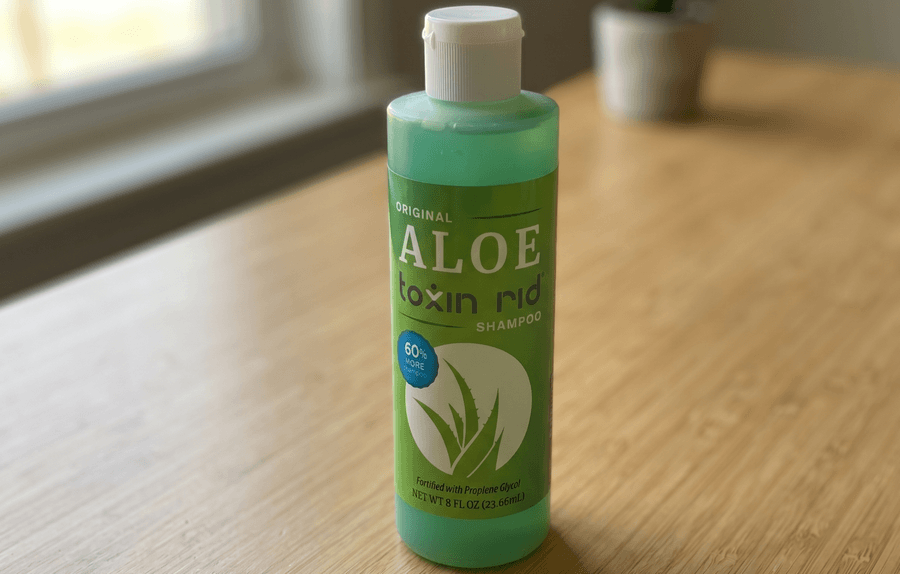
Let’s look at the two main contenders through that lens.
Ingredient Profile: Depth vs. Deterrence
The core difference lies in the approach. Old Style Aloe Toxin Rid is formulated with propylene glycol, which acts as a penetration enhancer. The idea, the estimate, is that it helps the formula work deeper into the hair cortex over multiple applications. It also contains aloe vera, which is there to soothe the scalp—a critical factor when you’re looking at a multi-day protocol. In contrast, High Voltage Folli-Cleanse relies on strong surfactants like ammonium lauryl sulfate. These are powerful degreasers. Their mechanism is more about a surface-level, aggressive cleanse designed to work within a single, short session.
User-Reported Outcomes: The Volume of Evidence
This is where the variables get clearer. When you look for verifiable user reviews, the volume and consistency point in one direction. The Macujo Method, which specifically calls for Old Style Aloe Toxin Rid, has a substantial body of user-reported success stories, with many claiming a 90% or higher success rate when every step is followed precisely. You’ll find threads where heavy, daily users detail passing after 15 or more washes over several days. The reports for High Voltage are more mixed. Some users report a clean feeling and confidence for up to 36 hours, but there’s a notable pattern of weaker results for individuals with dense, thick, or tightly styled hair like cornrows or locs, where the product may not achieve full access.
Protocol and Practical Demands
The application protocol itself tells a story. Old Style is typically used in a multi-day, repeated-wash routine—like the Macujo method. This is a significant time and effort commitment. High Voltage is marketed as a single-session treatment with a 20–30 minute dwell time. On the surface, that seems easier. But consider the scenario: that single-session approach requires incredibly precise timing right before your test, and it offers no margin for error. If the metabolites are deeply embedded, a one-time wash may simply not provide the cumulative penetration needed.
Gentleness and Scalp Impact
Given the physical pains our audience reports—severe burns, scabs, and rashes from acidic DIY methods—this is a major concern. Old Style’s formulation with aloe vera is specifically noted in reviews for being gentler on the scalp during those repeated, necessary washes. High Voltage’s potent detergents, while effective at stripping oils, are frequently cited in user feedback for causing significant dryness and irritation, especially if you don’t patch-test first. When you’re already putting your hair through a stressful process, adding harsh chemical burns to the list is a serious risk.
Cost Justification: Investment vs. “Pay for Pain and Failure”
Now, the big objection: the price. Old Style Aloe Toxin Rid is a premium product, often priced between $134 and $170 a bottle. High Voltage sits at a much more accessible $34.95. It’s easy to see the cheaper option as the smarter play. But let’s reframe that. The question isn’t just the sticker price; it’s the cost of failure. If the $35 product has a lower probability of working for your specific scenario—especially if you’re a heavy user or have challenging hair—and you fail your test, what was that $35 worth? You’re not just out the money; you’re out the job, the license, or in a worse legal situation. The higher investment in Old Style is, for many, a calculated bet on a higher-probability outcome. It’s the difference between paying for a potential solution and paying for what could amount to pain and failure.
Old Style Aloe Toxin Rid shampoo has earned its reputation as the industry standard for a reason: it directly addresses the gaps and failures reported with other methods. It’s the tool designed for the heavier, more complex exposure scenarios, with a protocol that acknowledges the depth of the problem.
But even choosing the better tool leads to the next critical variable. Even with a more reliable product in hand, what specific challenges during the actual test—the sample collection itself—could still trip you up?
How a Hair Follicle Drug Test Actually Works
Even with a more reliable product in hand, the anxiety doesn’t end there. You’re still facing the test itself—a procedure with its own set of variables and a lab protocol designed to catch attempts at deception. Let’s break down what you’re actually up against, because understanding the machinery of the test is the first step to navigating it.
First, the detection window. A standard test analyzes a 1.5-inch sample taken from right at your scalp. Human head hair grows at an average rate of about half an inch per month, so that sample is essentially a three-month history book of your bloodstream. The key mechanism is passive diffusion: drugs and their metabolites travel from your blood into the hair follicle during the growth phase and bind to the hair’s inner structure. They don’t sit on the surface; they’re woven into the cortex. This is why a simple wash won’t cut it. If you have longer hair, the lab can analyze further back, potentially up to a year, though most stick to the standard 90-day window.
Now, what if you’re bald or have very short hair? This is a major pain point. The collector will move to body hair—from your arms, legs, chest, or underarms. Here’s the critical variable: body hair grows much slower. Its growth cycle is longer, so a sample from your leg can provide a detection window of up to 12 months for the same length. Furthermore, unlike head hair, body hair can’t be reliably segmented to show a month-by-month timeline; it gives an average picture of use over that much longer period. That’s a significant complication if your exposure was more recent.
The chain-of-custody procedure is strict. From the moment the sample is cut—about 100 milligrams, or 90-120 strands—it’s documented, sealed, and tracked to the lab. There’s no room for substitution. At the lab, the hair is washed to remove external contaminants, then undergoes an initial screening. If anything flags, it moves to confirmation testing using highly sensitive equipment like GC/MS or LC/MS. These machines don’t just look for a drug; they identify specific metabolites at precise cutoff concentrations, distinguishing between external contamination and actual systemic use.
This is where another fear comes in: lab technicians spotting damage. They are trained to examine hair microscopically. Severe chemical damage from bleaching, frying, or harsh acidic treatments is a giant red flag. It can lead them to question the integrity of the sample. In some cases, if they suspect intentional adulteration or if the hair is too damaged to yield a reliable result, the sample could be deemed invalid or rejected. The consequence of a rejected sample isn’t a “pass”—it often means you’re treated as a refusal or must provide another sample under closer scrutiny, which is a worst-case scenario.
So, the test is a rigorous scientific procedure with a long memory. It looks for internal evidence, not surface-level tricks. It can use hair from parts of your body you might not expect, covering a timeline you may not have prepared for. The lab’s entire protocol is built to ensure specimen integrity and to detect attempts to fool it.
Understanding these high stakes—the deep embedding of metabolites, the extended detection from body hair, the lab’s scrutiny of damage—makes one thing absolutely clear: choosing the right strategies to pass a hair follicle test and using them correctly isn’t just a good idea. It’s critical. The margin for error is slim, and the consequences of a failed scenario are life-altering. This is why the next practical steps, from sourcing your product securely to applying it with precision, are so vital.
A Buyer’s Guide to Sourcing Detox Shampoo Securely
All right, so you’ve internalized the high stakes. You understand the lab’s protocol and the deep-seated nature of the problem. Now, you need to take action, and that means securing the right tool for the job. This is where a lot of folks run into a different kind of trouble: getting scammed or buying the wrong thing at the worst possible time. Let’s walk through how to source your shampoo securely, because a bad purchase here doesn’t just waste money—it can waste your entire effort.
Where to Buy: Identifying Official Vendors
First, let’s establish the trusted sources. For the Old Style Aloe Toxin Rid shampoo, the consistently recommended official vendor is TestClear. They are the primary distributor linked to the product’s history and the Macujo Method. For the Zydot Ultra Clean kit, you can go directly to the manufacturer’s site, Zydot.com, or purchase it through authorized retailers like TestClear, which often sells it as a combo with the Aloe Toxin Rid.
Now, for the High Voltage Folli-Cleanse shampoo, the direct source is the manufacturer’s own website, High Voltage Detox. You’ll also find it listed on various smoke shop and detox specialty sites.
Understanding Fair Market Price & The Counterfeit Trap
This is a critical variable. You need to know what a genuine product actually costs, because a “deal” that seems too good to be true almost always is.
- Old Style Aloe Toxin Rid: A single bottle typically ranges from $130 to $170. The combo with Zydot Ultra Clean often runs between $170 and $235. If you see it for $50 or $80 on a marketplace, that is a major red flag. Premium pricing is part of the scenario for an authentic product; steep discounts signal potential fakes, diluted formulas, or expired stock.
- High Voltage Folli-Cleanse: The manufacturer’s suggested retail price is about $34.95, but you’ll see retail variations from around $16 to $48 depending on the seller. Its lower price point is part of its appeal, but remember, you may need more of it for thick or long hair.
The biggest counterfeit risks come from massive third-party platforms like Amazon, eBay, Walmart Marketplace, and TikTok Shop. While convenient, these sites are flooded with unauthorized sellers. The estimate is that the risk of getting a fake is significantly higher there. Counterfeit bottles often have tell-tale signs: missing or broken factory seals, lot numbers that don’t match official formats, runny or off-smelling product, and low-quality label printing. Always compare the packaging to the official images on the vendor’s site.
The Final, Crucial Variable: Shipping & Planning
Here’s a practical demand that catches many people off guard: shipping timelines. These are specialty products, not off-the-shelf items. Even official vendors can experience sellouts due to high demand, and shipping fees can add 10-20% to your cost. If your test is in five days and you choose standard shipping, you’re introducing a huge, unnecessary risk.
My best estimate is this: once you know a test is a possibility, you need to act. Factor in 5-7 business days for standard shipping from a trusted vendor like TestClear. If you’re in a scenario with only 24-72 hours’ notice, you’ll need to pay for expedited shipping, if it’s even available. Do not wait until you have the test date in hand. The time to secure your product is the moment you decide you might need it.
In short, secure sourcing means: 1) Using the official or authorized vendors, 2) Paying a fair, market-rate price to avoid counterfeits, and 3) Planning for shipping as a non-negotiable part of your protocol. Treating this purchase with the same seriousness as the test itself is the first step in protecting your investment and, ultimately, your result.
Making an Informed Choice for Your Hair Drug Test
Alright, let’s bring this all together. We’ve walked through a lot of variables and busted some major myths along the way. The core takeaways are clear: the idea that all detox shampoos are equal is false. The hope that cheap, household DIY methods can reliably cleanse your hair of deep-cortex metabolites is a risky gamble with little scientific backing. And the scenario where High Voltage Detox Shampoo is a dependable, standalone solution for a high-stakes test? The evidence—from its harsh surfactants to the consistent user reports of failure—just isn’t there to support that claim.
When your job, your license, or your family is on the line, you need more than anecdotal hope. You need a method with a logical, time-tested protocol. That’s where the comparison points us. Old Style Aloe Toxin Rid, used within a structured multi-day regimen like the Macujo method, is designed to work over time, addressing the fundamental challenge of reaching those embedded metabolites. It’s not a magic bullet—no shampoo can guarantee a result—but its approach is built on a more realistic estimate of what it takes to pass.
So, here is my final, direct recommendation: for a test where failure is not an option, invest in the proven, reliable solution. Secure Old Style Aloe Toxin Rid from a trusted, authorized source, follow the established protocol meticulously, and give it the time it needs to work. Your future is worth this informed choice.
