
If you’re staring down a hair follicle drug test, you’re likely drowning in a sea of conflicting advice, scary claims, and miracle cures. It’s a stressful scenario where the stakes—your job, your license, your family—feel impossibly high. In the middle of this noise, one name keeps surfacing: Aloe Toxin Rid shampoo. It’s presented as a potential solution, but it’s also a focal point for confusion, skepticism, and a whole lot of expensive myths.
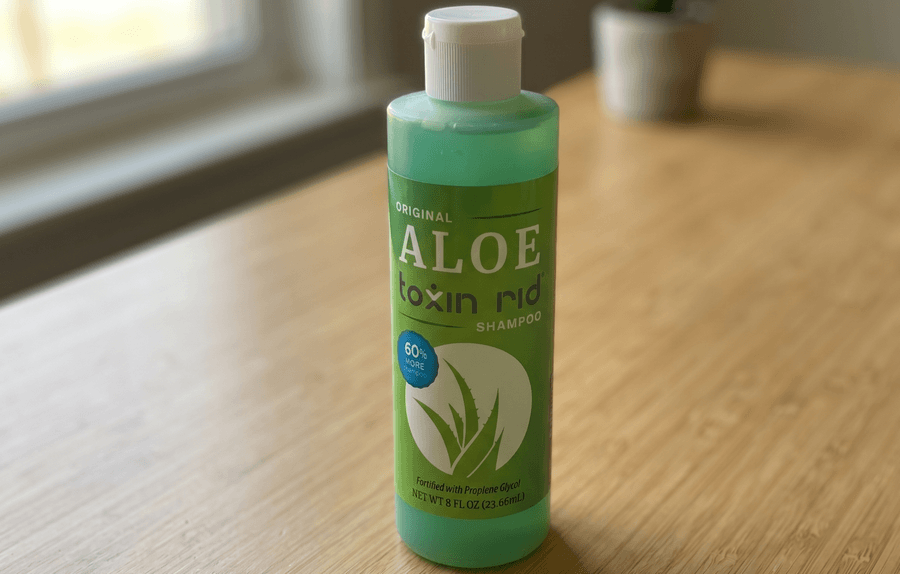
This article is here to cut through that noise. We’re going to take a clear, evidence-based look at what Old Style Aloe Toxin Rid shampoo actually is, what it can realistically do, and—just as importantly—the dangerous misconceptions that can lead to wasted money and a failed test. No hype, no guarantees, just a straight assessment of the variables at play.

Why Hair Drug Testing Fuels So Many Myths and Fears
You’re staring at a test date, and the stakes—your job, your license, your family—feel impossibly high. In the middle of this noise, one name keeps surfacing: Aloe Toxin Rid shampoo. It’s presented as a potential solution, but it’s also a focal point for confusion, skepticism, and a whole lot of expensive myths. This article is here to cut through that noise. We’re going to take a clear, evidence-based look at what Old Style Aloe Toxin Rid shampoo actually is, what it can realistically do, and—just as importantly—the dangerous misconceptions that can lead to wasted money and a failed test. No hype, no guarantees, just a straight assessment of the variables at play.
Let’s get one thing straight: your anxiety is completely valid. A hair follicle test isn’t like a urine test. It doesn’t just look for recent use. It analyzes the hair shaft itself for metabolites—the chemical byproducts your body produces after drug use. Those metabolites get incorporated into the hair via your bloodstream as it grows. This creates a detection window of roughly 90 days for head hair, and potentially up to a year if they take a longer sample. That’s a three-month history, locked in a form you can’t just flush out.
This is the core of the fear. The evidence feels permanent. And when the procedure feels permanent and the consequences are severe, the environment becomes fertile ground for two things: desperate, extreme DIY methods that promise a quick fix, and a swamp of conflicting information online. You’ll see one forum post swear by a concoction of vinegar and detergent, while another claims only a $300 shampoo works. This noise isn’t just confusing; it’s paralyzing. It makes it nearly impossible to separate a real protocol from wishful thinking or an outright scam. With so much fear and conflicting information, how can anyone know how to pass a hair follicle test and what actually works?
What Is Old Style Aloe Toxin Rid Shampoo—And What Makes It Different?
The first major myth to clear up is that “all detox shampoos are basically the same.” This is a critical misunderstanding. Old Style Aloe Toxin Rid Shampoo is not a generic clarifying shampoo. It is a specific, historically formulated product designed with a single, intensive purpose: to penetrate the hair shaft and remove chemical metabolites from the hair cortex.
Think of it this way. A regular shampoo cleans the surface of your hair and scalp, like washing the outside of a sealed container. Old Style Aloe Toxin Rid is formulated to open that container and clean what’s inside. Its key differentiator is the original, higher-concentration formula, which is built around a specific blend of old style aloe toxin rid shampoo ingredients.
The core of its mechanism involves propylene glycol concentration. This isn’t just a moisturizer; it acts as a penetration enhancer. The estimate is that it helps the formula’s active agents, like the chelating agent EDTA and reducing agent sodium thiosulfate, work their way into the hair’s cortex, where drug metabolites are locked in as the hair grows. This process requires time—typically a 10-15 minute dwell time per wash—to allow the chemistry to interact with and dissolve those embedded residues.
This brings us to the original formula vs new formula debate. The “Old Style” designation matters because it refers to a recreation of the original Nexxus Aloe Rid formula, which was discontinued. The newer, commercially available Nexxus versions often include more conditioning agents like avocado oil and ceramides. The scenario for someone facing a test is different; they prioritize deep detox over heavy conditioning. TestClear’s version of Old Style Aloe Toxin Rid reportedly maintains or increases the propylene glycol levels believed to be essential for chemical metabolites removal, targeting residues locked in the hair shaft itself, not just on its surface. This specific formulation is why it’s sought after as part of rigorous protocols, standing apart from single-action shampoos that lack this synergistic, penetrating chemistry.
How Old Style Aloe Toxin Rid Shampoo Works: Science vs. Wishful Thinking
The first thing to clear up is the idea that this shampoo works like a magic eraser or a chemical mask. It doesn’t “destroy” toxins on contact, and it won’t create a false-negative by coating your hair in some lab-tricking film. That’s wishful thinking. The reality is a more methodical, physical-chemical process.
Think of your hair shaft like a tiny, layered rope. The outer layer, the cuticle, is like overlapping shingles on a roof. It’s protective. When you use drugs, the metabolites—the chemical leftovers your body processes—get incorporated into the hair’s inner cortex as it grows. They’re locked in behind those protective shingles.
Here’s the scenario: a standard surface-clean shampoo might rinse off some external gunk, but it won’t touch what’s sealed inside. Old Style Aloe Toxin Rid’s key value is in its formulation, which includes agents like propylene glycol. This ingredient is a humectant and a penetrant. Its job is to help gently pry open those cuticle “shingles” just enough, over repeated applications, to allow the cleansing components to reach into the cortex and help flush out the embedded metabolites.
This is not a one-wash miracle. It’s a gradual, cumulative process. You’re essentially creating a window of opportunity for the shampoo to work on the inner hair shaft, which is why it’s almost always used as part of a larger, multi-step protocol—like the Macujo or Jerry G method. Those methods use other agents (like vinegar or liquid detergent) to first break down the cuticle’s defenses, making the Aloe Toxin Rid’s penetrating action more effective. The shampoo alone is one specialized tool in a required sequence. Its potential lies in this synergistic approach, not in any mythical, instant cleansing power.
Myths About Effectiveness: What Real Evidence and User Results Show
You’ve probably seen the comment sections. The forums. The angry reviews. “It’s a scam!” “Waste of money!” “Doesn’t work!” When you’re staring down a test that could cost you a job or custody of your kids, that kind of noise isn’t just confusing—it’s terrifying. It feeds the myth that there’s no real evidence this stuff works, just slick marketing and broken promises.
So let’s cut through that. What does the actual evidence look like? It’s not a single, perfect clinical trial. Instead, it’s a combination of three things: a logical mechanism, aggregated user reports, and professional consensus.
First, the logic. We just went over how it’s designed to work—gradually penetrating the hair shaft to reach the metabolites. That’s not magic; it’s chemistry. The protocol exists because the shampoo alone has a limitation: it needs help to get past the hair’s protective cuticle. So when someone says, “I used it once and failed,” the first variable to question is whether they used it correctly, as part of that required multi-step process.
Second, the user evidence. If you sift through the old style aloe toxin rid shampoo reviews on dedicated forums—where people often post their exact method, drug history, and test outcome—a pattern emerges. You’ll find success stories from light users, and you’ll also find them from heavy, chronic users. The difference is almost always in the rigor and duration of the protocol. A balanced aloe rid shampoo review will acknowledge this. It won’t just say “it worked,” but “it worked after 15 washes over 10 days with the Macujo method.” That specificity is the mark of credible feedback. The question “does aloe toxin rid work?” gets answered with, “It can, if these specific conditions are met.”
Third, the professional angle. Detox specialists and consultants who handle these cases for a living consistently recommend this specific product as the cornerstone of a serious cleansing regimen. Their business depends on results, not on selling a single bottle. That consensus carries weight.
Now, let’s be perfectly clear. No method is 100% guaranteed. Results are an estimate, based on variables like your drug usage history, hair type, and metabolism. For a heavy, daily user, the task is harder. The metabolites are more deeply embedded. But that’s precisely the scenario this product is engineered for—to attempt a deep cleanse where a regular shampoo wouldn’t stand a chance. The evidence suggests it offers a fighting chance, not a certainty. The myth of it being a universal scam ignores the documented cases where, under the right conditions, it has been the key factor in a negative result.
The Right Way to Use Aloe Toxin Rid: Myths, Best Practices, and Mistakes to Avoid
Let’s get one thing straight right out of the gate: the single biggest mistake people make is thinking they can use Old Style Aloe Toxin Rid like a regular shampoo. You know, just lather, rinse, and walk in for your test. That’s a scenario that almost guarantees failure. This isn’t a one-and-done product; its entire design is based on a multi-step protocol that you have to repeat over several days. The metabolites are locked in the hair’s cortex, protected by a layer of cuticle scales. You can’t just knock on the door; you have to pry it open, clean house, and then seal it back up properly.
The most common and documented protocol is the Macujo Method. Think of it as a procedure with a specific sequence. Here’s a general overview of how it works, but remember, this is my estimate of the standard approach—you’ll want to find the detailed Macujo method steps for the full, precise walkthrough.
The Core Sequence (A General Guide):
- Initial Wash: Start with the Old Style Aloe Toxin Rid Shampoo itself. This begins the process of breaking down surface oils.
- Baking Soda Paste: Mix Arm & Hammer baking soda with warm water to create a paste. This acts as a gentle abrasive to further open the cuticle.
- Astringent Soak: Apply Clean & Clear astringent (with salicylic acid). This is a critical step to dissolve deeper residues. You’ll often put Vaseline around your hairline to protect your skin and cover it with a shower cap for about 30 minutes.
- Surfactant Scrub: Use a small amount of Liquid Tide laundry detergent. It’s a powerful surfactant designed to strip away what the previous steps have loosened. Rinse thoroughly.
- Repeat Cleansing: You’ll typically do another round with the Aloe Rid shampoo.
- Vinegar Rinse: Apply Heinz white vinegar. The acetic acid helps lift the cuticle scales further. You usually don’t rinse this out immediately.
- Second Astringent Soak: Another round with the astringent, often left on for another 30 minutes.
- Final Surfactant Scrub: Another careful scrub with Tide to remove any final buildup.
- Final Cleanse: A last wash with the Aloe Rid shampoo to remove any residual odor or chemicals.
Now, the variables. If you have thicker, coarser, or ethnic hair, you may need more cycles. If you have dreadlocks, the challenge is significantly greater, as the braided structure can trap contaminants. The protocol isn’t gentle. A major caveat is scalp irritation. This method involves harsh chemicals, and repeated use can lead to redness, burning, and temporary hair brittleness. If you have sensitive skin or open sores, you need to be extremely cautious.
Finally, the process isn’t complete on test day. This is where Old Style Aloe Toxin Rid and Zydot Ultra Clean work as a one-two punch. Zydot is your follow-up clarifier. It’s applied the day of the test in a three-packet sequence (shampoo, purifier, conditioner) to remove any surface-level chemical residue and odor from the prior days’ treatments, helping your hair look and test as clean as possible. Skipping this step is a common and costly mistake. The entire regimen is a commitment, not a quick fix.
Old Style vs. Alternatives: Separating Fact from Fiction
I get it. When you’re staring down a test that could change your life, and you see a $200 price tag, the first thought is, “There’s got to be a cheaper way.” That’s when the internet whispers promises about vinegar, baking soda, and even Tide detergent. The myth is powerful: these household staples can supposedly do the same job for pennies.
Let’s break down that scenario. The core issue is where the drug metabolites live. They’re not just sitting on your hair like dirt; they’re incorporated into the hair cortex from your bloodstream. To remove them, you need a cleanser that can penetrate the hair’s protective outer layer, the cuticle.
Household mixtures like vinegar rinses or baking soda pastes are harsh, alkaline, or acidic. They can certainly fry your hair and scalp, opening the cuticle through sheer damage. But here’s the variable: they lack the specific, penetrating chemical agents designed to interact with and flush out those embedded toxins. It’s like trying to remove a stain from deep inside a sponge by only scrubbing the surface—you might damage the sponge, but the stain remains. There’s no peer-reviewed evidence confirming these DIY methods alter lab-detectable metabolite levels. They’re unpredictable, often causing severe scalp irritation without a reliable cleansing payoff.
Now, what about other branded shampoos? This is where the “New Formula” versions create confusion. The current Nexxus Aloe Rid you might find in stores is a different product. It’s formulated with more conditioning agents—avocado oil, soybean oil, ceramides—and antioxidants. It’s a fine conditioner, but it’s not built for deep detox. Old Style Aloe Toxin Rid, sold by TestClear, is a recreation of the original formula. The estimate is that it maintains or even increases the concentration of a key solvent, propylene glycol, which is the penetrating agent meant to carry cleansing compounds into the cortex. The price difference ($134-$235 vs. ~$20-60) reflects this specialized formulation versus a general conditioning product.
Other quick-fix shampoos, like High Voltage Folli-Cleanse or Stinger Folli-Kleen, are single-application products. They claim short windows of effectiveness, like 36 hours. The protocol for Old Style is different; it’s a multi-day, rigorous process designed for a deeper cleanse. The product’s effectiveness is tied to this protocol, which includes pre-treatments to open the cuticle. Using it alone, without that full method, limits its potential.
So, the choice isn’t just about a bottle of shampoo. It’s about a specific chemical formulation designed for a specific job, used within a specific procedure. The cheaper alternatives operate on a different principle—surface cleaning or brute-force damage—which, based on the mechanism, is a different scenario with a different likely outcome.
The Truth About Cost, Value, and Where to Buy Safely
Let’s talk about the elephant in the room: the price tag. Seeing a figure between $200 and $300 for a bottle of shampoo is a massive hurdle, and it’s the single biggest objection I see. It’s completely understandable. The immediate thought is, “This has to be a scam.” So, let’s break down the scenario.
First, we have to separate the cost from the value. The cost is a number. The value is what that number protects. If this test stands between you and a career, a CDL license, custody of your child, or staying out of legal trouble, the value of a successful outcome is incalculable. The cost of failing—lost income, lost opportunities, legal fees—dwarfs the price of a specialized product. This isn’t about buying luxury shampoo; it’s about investing in a specific tool for a high-stakes procedure. My best estimate is that for the right person in the right scenario, the value proposition is clear.
Now, where to actually get it. This is where the “scam” fear really kicks in. You’ll see bottles labeled “Aloe Rid” or “Nexxus Aloe Rid” on big marketplaces for $30 or $40. Do not buy those. Those are the old, discontinued formulations or outright counterfeits. They lack the specific chemical makeup required for this protocol. The legitimate, current version is sold through a very limited channel, primarily through authorized distributors like TestClear. This is why you can’t just walk into a CVS or Walmart and find it on a shelf—its distribution is tightly controlled to maintain product integrity.
So, when you search for “aloe toxin rid shampoo near me,” you’re unlikely to find a physical store. The safe, reliable path is purchasing directly from an authorized online seller. Yes, it feels like a leap of faith to spend that much online. Look for sellers that provide clear contact information, transparent shipping policies, and have a long-standing reputation. Avoid random third-party sellers on auction or mega-retail sites. The risk of receiving a useless counterfeit is too high. This is one scenario where cutting corners to save money directly increases your risk of failure.
Red Flags: How to Spot a Fake Old Style Aloe Toxin Rid Bottle
So, you’ve decided the potential payoff is worth the investment. Now, the critical scenario: you’re staring at a listing, trying to estimate if it’s the real deal or a costly fake. This is a major variable. The market is flooded with counterfeits, especially on platforms like Amazon, eBay, and TikTok Shop. Let’s break down the red flags. My best estimate is that if you see two or more of these, you should walk away.
The Source is the First Filter.
First, a crucial piece of information: the original Nexxus-branded Aloe Rid formula was discontinued years ago. Any bottle claiming to be that old stock is almost certainly a fake or long expired. The only legitimate, currently manufactured version is the ‘reintroduced’ Old Style Aloe Toxin Rid, and there is one exclusive authorized distributor: TestClear. If the seller isn’t TestClear or an explicitly authorized partner, your risk of receiving a counterfeit is extremely high. This isn’t a loophole; it’s the primary protocol for ensuring authenticity.
Visual and Structural Red Flags Checklist.
When you get the bottle—or even from the listing photos—you need to be a stickler for these details.
- The Price Point is a Major Tell. The genuine article has a consistent cost. If you see a price that seems too good to be true, like under $150 for a single 5 oz bottle, it almost certainly is. The authentic product’s price reflects its specific formulation. A deep discount here is a huge warning sign.
- The Seal is Non-Negotiable. The authentic bottle arrives with an intact, factory-applied shrink-wrapped seal around the cap. No seal, or a broken seal, means the product could be diluted, replaced, or contaminated. Do not accept it.
- The Bottle and Label Quality. Compare the bottle to the official images on the TestClear website. Counterfeits may use a different bottle shape or size. Check the label for poor print quality—blurring, fading, or misaligned text are common on fakes. Also, look for a printed lot number and batch details on the packaging; its absence is a red flag.
- The Product Itself. Once opened (only after verifying the seal), the authentic shampoo is a thick, green gel. If it’s thin, runny, or watery, that’s a problem. The scent should be clean and consistent. A strong, off, or vinegary odor indicates a fake or spoiled product.
- Seller Verification. A legitimate seller should be able to confirm the product’s key details, like its propylene glycol concentration, which is central to its mechanism. Hesitation or inability to provide basic verification is a clear warning.
A Final Verification Step.
If you have any doubt after purchase, you can do a small test. Apply a tiny amount to your hand or a strand of hair. The authentic product should lather well and rinse cleanly, without leaving a heavy, greasy residue. If it behaves differently, your suspicion is likely justified.
The bottom line is this: the only way to virtually eliminate the counterfeit variable is to control the source. Purchase directly from TestClear. Yes, it costs more than a random eBay listing, but it’s the only scenario where you can be reasonably confident you’re getting the actual product you’re paying for. Keep your receipt and the original packaging. If something seems off, a reputable seller will have a return policy. This isn’t about being paranoid; it’s about applying the same careful protocol to your purchase that you will to your hair cleansing.
Frequently Asked Questions and Persistent Myths—Answered Clearly
Alright, let’s cut through the noise. I see the same questions and fears popping up constantly. In this section, I’m going to give you direct, no-nonsense answers to the most persistent myths about using an aloe rid shampoo drug test protocol and the process of passing hair follicle tests.
Q: My head hair is too short. Can they use my body hair, and does the shampoo work on that?
A: Yes, if head hair is unavailable, labs can use body hair from the chest, legs, or arms. However, there’s a major variable: body hair grows much slower and has a detection window of up to 12 months. The aloe rid drug test protocol is designed for the scalp. Its effectiveness on body hair is less reliable because the hair structure and growth cycle are different. This is a scenario where shaving your head can backfire, forcing them to take a sample with a much longer history.
Q: Can the lab detect that I used Aloe Toxin Rid or other detox shampoos?
A: This is a common lab detection concern, but it’s based on a misunderstanding. Standard hair tests are immunoassays followed by GC-MS or LC-MS confirmation. They are specifically looking for drug metabolite markers, not the ingredients of your shampoo. The lab washes the hair sample before analysis to remove external contamination. They are not testing for “Aloe Toxin Rid.” They are testing for drug compounds inside the hair shaft.
Q: I only have 24 hours. Is it too late?
A: In my best estimate, a single day is an extremely tight scenario. The recommended protocol for aloe rid shampoo drug test preparation is 3 to 10 days of consistent washing. The Macujo Method, which uses the shampoo, often requires 2–3 weeks for maximum potential. If you only have 24 hours, your likelihood of success drops significantly. A last-minute wash might reduce surface contaminants, but it won’t have time to address metabolites deeper in the cortex.
Q: I have thick, curly hair or dreadlocks. Will it even penetrate?
A: This is a legitimate challenge. Thick, coarse, or locked hair can make it harder for any treatment to fully penetrate. The protocol requires thorough saturation and scrubbing. For dreadlocks, the risk is compounded because if they cut a lock for testing, that entire lock represents a long timeline. You must be meticulous in working the product through every strand, which is more difficult with certain hair types.
Q: Do I really need to use Zydot Ultra Clean on test day? Can I skip it?
A: Based on the procedure, yes, it’s a critical final step. Think of it this way: the multi-day aloe rid drug test protocol is the deep cleaning. Zydot is the final, targeted rinse within 24 hours of your test. It’s designed to clear any remaining external contaminants or loosened metabolites from the cuticle right before the sample is taken. Skipping it removes a layer of preparation. For a deeper analysis on its specific role, you can look into the effectiveness of Zydot Ultra Clean.
Q: If I used drugs just once, two months ago, am I safe?
A: Don’t estimate based on feeling alone. A one-time use is typically detectable for 30–45 days. However, hair growth rates vary. A standard 1.5-inch sample captures roughly 90 days. If your use was 60 days ago, it falls within that window. The only way to be sure is to address the entire detection period, not just your last use date.
Q: My friend passed using just vinegar and Tide. Why shouldn’t I do that?
A: Some household products can cause a reduction in metabolite concentrations in lab studies—for example, certain disinfectants or even high-proof alcohol. However, these are variables with huge downsides: they can cause severe scalp damage, hair breakage, and are wildly inconsistent. The aloe rid shampoo drug test method is a formulated, repeatable protocol. Relying on DIY substitutes is a gamble where the cost of failure—your job, your license—is too high.
Expert Consensus and Social Proof: What Real People and Professionals Say
You don’t just want claims; you want to see results. When your job or your freedom is on the line, anecdotal evidence from people who were in your exact scenario carries real weight. So, let’s look at the patterns in what real people report after using Old Style Aloe Toxin Rid Shampoo.
The most credible social proof comes from follow-up reports in forums where users confirm their test outcome. A consistent pattern emerges: individuals who strictly adhered to a multi-day protocol—typically involving 10 to 15 washes over 3 to 10 days, often combined with the Macujo Method or a final step like Zydot Ultra Clean—report a high rate of success. For instance, reviews on dedicated sites cite success rates around 90% for those following the precise steps. On platforms like Reddit, you’ll find verified accounts of daily smokers, and even users of harder substances like ice, passing their 5-panel hair tests after committing to this rigorous routine. The consensus among these successful users is that the shampoo’s deep-cleansing action, when given enough repeated applications, can effectively reduce metabolite levels below the cutoff.
From a professional standpoint, many detox specialists and advisors in the testing field recommend this specific shampoo and protocol. Their recommendation isn’t based on magic; it’s a calculated estimate based on the product’s formulation designed to open the hair cuticle and the necessity of a repetitive process to address the entire detection window. They position it as the most reliable chemical tool available, especially when compared to unproven DIY mixtures.
However, this is where we must be transparent. Not all stories are positive, and the variables matter immensely. Failures are often reported by heavy, chronic users with very short preparation time, or by those who skipped critical steps in the protocol. Some reviews label it a scam after a single use didn’t work, which misunderstands the required process. The high cost—often between $130 and $235—is a frequent and valid criticism. Furthermore, the process itself is arduous; some users report scalp dryness, tightness, or irritation from the repeated washes and the harsh adjunct steps like vinegar soaks. The key takeaway from the negative outcomes is that success is tightly linked to strict adherence. This isn’t a one-wash miracle; it’s a demanding protocol where cutting corners has a high probability of leading to failure.
So, the expert and user consensus points to a clear conclusion: Old Style Aloe Toxin Rid Shampoo, within a disciplined, multi-day routine, is the most evidenced-based method available. Its effectiveness, however, is not universal—it’s a variable heavily influenced by your usage history, body chemistry, and, most critically, your willingness to follow the procedure without deviation.
Advanced Strategies for Passing Hair Drug Tests—Beyond the Myths
Alright, so the standard protocol and the user consensus we just covered—that’s your baseline. But what if your scenario doesn’t fit neatly into that box? What if you’re dealing with a curveball? Let’s walk through some of the more complex variables, one by one.
If You’re Bald or Have Very Short Head Hair
This is a common and high-anxiety scenario. If the tester can’t get a 1.5-inch sample from your head, they’ll move to body hair—arm, leg, chest, back, underarm, or beard. Here’s the critical variable: body hair grows much slower and has a different growth cycle. The estimate is that it can provide a detection window of up to 12 months, as it represents a longer period of drug exposure. The protocol, however, becomes more difficult. Body hair is often coarser and the follicles can be embedded deeper. The same cleansing methods apply, but the physical challenge is greater, and success rates are harder to estimate. You must inform the tester or the collection facility beforehand that head hair is unavailable so they can follow the proper procedure.
Handling Very Thick, Coarse, or Ethnic Hair
Hair with high melanin content, specifically eumelanin common in dark hair, can bind certain drug metabolites like cocaine and amphetamines more readily. Furthermore, very thick or tightly curled hair can be less porous, making it harder for cleansing agents to penetrate to the cortex. A hair relaxer treatment, which uses a high-pH alkaline chemical to break disulfide bonds, can increase porosity. One study showed a single relaxer treatment reduced drug concentrations by 6 to 67%. However, this is a severe trade-off: it causes significant damage and is itself a chemical process labs may note. The best estimate for this scenario is that you may need to extend your wash cycle duration and ensure the Old Style Aloe Toxin Rid Shampoo has sufficient contact time, but be prepared for the physical toll.
Strategies for Last-Minute Tests (24-72 Hours Notice)
This is where anxiety peaks. If you have only a few days, the Macujo Method’s shorter cycle recommendation of 3-7 washes over 1-5 days becomes your primary pathway. The protocol shifts to an intensive, multiple-times-daily schedule. The key is maximizing the number of cleansing cycles to the point of scalp tolerance. Some users in this scenario report combining the washes with a day-of treatment like Zydot Ultra Clean for an extra layer of security. The limitation is clear: less time means less margin for error and a potentially lower level of cleansing.
Preventing Re-Contamination from Sweat or Old Belongings
This is a variable people often overlook. Once your hair is clean, re-contamination can occur from sweat, which can carry metabolites, or from residue on old hats, pillowcases, or headphones. The procedure is straightforward but requires diligence: sleep on a clean pillowcase, wear freshly washed hats or headbands, and avoid environments with heavy environmental smoke. On the day of the test, ensure your hair and scalp are freshly washed with no residues from previous treatments.
The Controversial “Combining Methods” Approach
You’ll see discussions about using a bleach-and-dye cycle (the Jerry G Method) to aggressively open the hair cuticle, followed by the Aloe Toxin Rid Shampoo to cleanse. The logic is that bleach reduces metabolite concentrations by 40-80% per application, creating a more porous structure for the shampoo to work on. This is a high-risk, high-damage scenario. It can be effective, but the trade-off is severe chemical damage that a trained collector might notice. It’s also a more expensive and painful route. For those considering alternative specialized products in tough spots, some look at options like High Voltage Detox Shampoo, but the evidence-based core remains the Old Style Aloe Toxin Rid protocol.
The bottom line for these advanced scenarios is that the variables multiply. Your specific hair type, body chemistry, usage history, and time constraints all become critical factors in estimating your chances. There is no one-size-fits-all answer, only a more demanding set of procedures where the risk of failure—or detection of tampering—is inherently higher.
What You Really Need to Know Before Deciding—A Clearer Path Forward
Alright, let’s bring this all together. You’re in a tough spot, and the pressure to make the right call is immense. So, here’s the clearest picture I can give you, based on everything we’ve covered.
Old Style Aloe Toxin Rid is a specialized clarifier. Its formula, with penetration enhancers like propylene glycol, is designed to work its way into the hair shaft over multiple, repeated sessions to help dissolve embedded residues. It’s not a magic one-wash fix. Think of it as a multi-day procedure where each wash is a cycle that allows for deeper interaction with the hair cortex.
The realistic estimate, based on user reports, is that it can facilitate partial removal of metabolites—often in the range of 40-60%—but it is not a guarantee, especially for heavy or chronic users. Its strength is in the protocol: the rigorous, multi-day routine, often paired with a day-of purifier like Zydot. That protocol is non-negotiable; skipping steps or rushing the process is a primary variable for failure.
The major limitations are real. There’s no peer-reviewed clinical trial vouching for it, success is anecdotal, counterfeits are rampant, and the cost is significant. If you decide this is your path, the guidance is simple: commit to the full, correct method without shortcuts, and purchase only from a legitimate, trusted source to avoid a fake bottle that wastes your money and your chance. Your best tool here is accurate information, used decisively.
