
You’re betting a lot on a tiny bottle. One read on the temperature strip. One pour. One moment that can help or hurt your plans. If you’re curious about Quick Fix Synthetic Urine, you’re not alone—and you’ve probably heard loud claims on both sides. Some say it “always works.” Others swear labs catch it every time. So what’s real? In this plain‑spoken guide, I’ll show you how Quick Fix is built, how labs check samples, and how to handle the product safely for lawful training and calibration only. You’ll see myths versus facts, simple steps for a clean demo, and where people go wrong. The stakes are high, especially if your career or compliance program is on the line. Want the truth before you make a move?
Read this first so you understand scope and safety
Let’s set the guardrails up front. This article explains how Quick Fix Synthetic Urine works, what its parts aim to mimic, and how people use it legally for calibration, equipment checks, and collector training. We are not telling you to cheat a drug test. Trying to defeat a drug test with a substitute sample can be illegal. It can also cost you a job or create legal trouble. Where you see phrases like “how to use Quick Fix,” we are talking about lawful, controlled practice and demonstration only—never submission in a real testing program.
We’ll separate internet myths from facts using current product directions, industry practices, and what labs typically measure. If you are in a regulated program—DOT, CDL, probation, military—do not attempt substitution. Direct observation and strict rules make detection likely, and policy penalties can be severe. When in doubt about your law or policy, talk to your employer, check your program rules, or consult an attorney. This information is for educational purposes only and does not replace professional consultation.
What Quick Fix is and what it is not
Quick Fix Synthetic Urine is a premixed, unisex lab solution made by Spectrum Labs. It’s designed to imitate the look and basic chemistry of human urine. The product is commonly used for quality control, equipment calibration, and training demos in urinalysis workflows. Think of it as a teaching tool rather than a magic trick.
What it isn’t: a guaranteed way to pass any test. As lab technology improves, detectability rises. Advanced specimen validity testing, direct observation, and strict chain-of-custody can flag non-physiologic features. Versions you’ll see include Quick Fix 6.2 and Quick Fix 6.3 or 6.3 Plus. Formulations update over time to track common human urine markers.
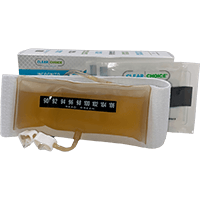
The typical kit contains a 2–3 oz bottle, a temperature strip, and a heating pad. Some bundles include concealment belts sold as novelty training props. The liquid looks yellow, makes light foam when you shake it, and has an odor close to human urine. Marketing highlights that newer batches are biocide‑free, yet third‑party protocols can still detect inconsistencies in some settings. Bottom line: realistic, yes. Perfect, no.
Why the markers matter more than the brand name
Labs don’t care about brand names; they care about markers. If those markers don’t make sense, the sample draws attention.
Temperature comes first. At handoff, collectors check whether the sample falls in the typical 94–100°F (34–38°C) band. Quick Fix is meant to be warmed into that window. Outside that range, the sample can be rejected on the spot.
Next, labs check chemical markers. Creatinine, urea, and uric acid are normal waste products. If any are missing or far off, that’s a red flag. Specific gravity (how dense the liquid is) and pH (how acidic it is) must land in human ranges. If a sample is too dilute or too concentrated, it can trigger an invalid result or retest. Electrolytes like sodium and potassium also help a sample “feel” like the real thing. Visual cues—pale to medium yellow color, clarity, and a little foam when shaken—support a quick look test by a collector.
Quick Fix ingredients are proprietary, but public claims include creatinine, urea, uric acid, balanced pH, matched specific gravity, and trace salts. Even if those match, advanced workflows—especially those using mass spectrometry or expanded specimen validity testing—may spot subtle inconsistencies. Can labs detect Quick Fix? With enough checks and strict procedure, yes, some can. Without those checks, it may pass a basic screen. That gap is where many myths grow.
| What labs check | Why it matters | How Quick Fix aims to match |
|---|---|---|
| Temperature (94–100°F) | Confirms sample came from a body moments ago | Heating pad and temperature strip guide warming |
| Creatinine, urea, uric acid | Core urine waste markers | Included per product claims and directions |
| Specific gravity and pH | Checks for abnormal dilution or acidity | Pre‑balanced ranges for typical human values |
| Electrolytes and trace compounds | Fine‑tunes the “feel” of a real sample | Minor salts present by design |
| Visual look and odor | Quick collector impressions | Color, foam on shake, urine‑like odor |
Versions, batch validation, and shelf life that actually matter
Freshness and version details matter more than most buyers realize. Always check the batch code using the official Quick Fix batch validator on the manufacturer’s site. This confirms the version (such as 6.2 Plus or 6.3 Plus) and whether your bottle is within its supported period. Quick Fix 6.3 and 6.3 Plus are the current flagships; 6.2 bottles may still be sold in some shops.
Typical Quick Fix shelf life is up to about two years unopened when stored at room temperature, away from sun and heat. Does Quick Fix Plus expire? Yes. Over time, chemistry can drift. Using expired Quick Fix increases the risk of off‑range readings for creatinine, pH, or specific gravity. After you break the seal, same‑day use is best for demos. Resealing and storing for later reduces reliability and can cause a Quick Fix fail in practice settings.
Reheating is possible (the directions allow it), but repeated heat–cool cycles can slowly change the chemistry. Keep cycles to the minimum needed. Before any demo, verify the temperature strip and check the bottle, cap, and seal. Look for an intact wrapper, a legible temperature strip, and crisp labeling consistent with current packaging.
| Version | What’s typical | What to check |
|---|---|---|
| Quick Fix 6.2 / 6.2 Plus | Earlier formula still seen in some stores | Validate batch; confirm not expired |
| Quick Fix 6.3 / 6.3 Plus | Current flagship with updated marker balance | Use batch validator and read the date |
| Any “Plus” bottle | Often a 3 oz size and kit upgrades | Check the exact ounces and included tools |
How to buy the real thing without getting stuck with a fake
Counterfeits exist. Safer sources include the official Spectrum Labs website and authorized retailers. Be cautious with gas stations and anonymous marketplace sellers. The typical Quick Fix price ranges about $39.95–$49.95, with “Plus” or larger sizes at the higher end. If a price seems far below that, pause and verify before you buy.
Check the seller’s refund language. Some official offers include conditional guarantees with documentation, but third‑party marketplaces rarely honor manufacturer guarantees. Shipping varies by state because some states limit sales of synthetic urine. Vendors may block certain ZIP codes. Order early; last‑minute rushes lead to mishandling and heating mistakes.
Counterfeit clues include missing uric acid claims, odd‑colored liquid, a mismatched cap, or a missing temperature strip. Keep your receipt, batch number, and a photo of your package in case you need customer support or batch confirmation. If you read Quick Fix Plus reviews online, look for specifics—version, batch, exact heating steps—rather than vague “it worked” comments.
A step-by-step walk‑through for lawful demos and training only
These steps mirror manufacturer guidance and what we use in controlled training rooms. Use them for demonstrations, collector training, and calibration checks—not for real testing programs.
Set up your space and read the card
Open the sealed kit and read the Quick Fix Plus directions from start to finish. Slow is smooth; smooth is fast. Confirm your batch in the validator and check the printed expiration date. Inspect the bottle and the temperature strip for damage. Stage the heating pad, a timer, and a clean, labeled specimen cup for your demo. Wear gloves if you’re in a training environment and want to model hygiene and chain‑of‑custody.
Warm the bottle safely to match body temperature
Target 94–100°F (34–38°C). We aim for 96–98°F to account for short walk time. Microwave method: remove the cap and heat for about 7–10 seconds to start. Swirl gently and re‑check the strip. If needed, add 3–5 second bursts until the strip reads in range. Keep the cap loose while microwaving so pressure doesn’t build. Heating pad method: attach the pad 30–45 minutes before the demo for a slow, steady rise. If you overshoot 100°F, let the bottle cool on the counter until the strip shows in range. Do not add ice or water; that changes chemistry. If you’re wondering how long to microwave Quick Fix, remember every microwave is different. Small bursts beat big jumps. Think finesse, not force.
Read the temperature strip without guesswork
Hold the strip at eye level in bright, indirect light. If you see nothing, wipe away moisture; condensation can mask the reading. Many users say “Quick Fix temperature strip colors not working,” but it’s usually fog on the strip. When working, you’ll see a colored bar that lines up with the temperature range printed on the label. Re‑check five to ten minutes later to confirm stability. If the strip stays blank, assume it’s too cold or too hot and adjust in small steps. The Quick Fix color strip should cycle on as you enter the right band.
Keep temperature steady during short transport within the demo area
Attach the heating pad to the bottle with a rubber band. Keep the logo side out to avoid hot spots. Carry it in an inside pocket or small insulated pouch to reduce heat loss as you walk to your demo station. Verify the strip again right before you pour. With a fresh pad in room conditions, warmth can last a few hours. If you’re timing your workflow, treat it as a same‑day window. That covers how long Quick Fix lasts after heating for most training rooms.
Pour and document for training or calibration only
Pour into a clean cup slowly. Tilt the cup to limit foam. Note time, temperature, and batch code on your training checklist. Apply labels and seals as if it were a real sample, so trainees learn the steps. When done, dispose of materials per your facility rules. Never submit synthetic urine to a real test. This is about lawful demos, not deception.
Troubleshooting that doesn’t make things worse
Overheating creates more trouble than underheating. If the strip is blank and the bottle feels hot, wait. When you cool into the 94–100°F band, the bar should appear. Do not add tap water; that shifts chemistry. For underheating, use short microwave bursts or reattach a fresh heating pad and re‑check every few minutes. If the strip still won’t read, dry the label, check lighting, and confirm it hasn’t peeled or been damaged.
If the foam or smell seems off, a few gentle shakes can introduce bubbles. Do not add fragrance or chemicals. Rumors about “Quick Fix nitrates” or other boosters are risky and inconsistent. Stick to the product as bottled. Has Quick Fix ever failed? Yes. Failures can come from user errors (wrong temperature, bad storage), expired bottles, strict lab protocols, direct observation, or policy violations. A realistic Quick Fix success rate depends on the setting and how careful the handling is. Anyone promising a perfect record is selling a story, not the truth.
Myths you’ll see online and the facts you can rely on
Myth: “Quick Fix still works everywhere.” Fact: It can resemble urine in basic, unsupervised screens. But advanced specimen validity tests and observed collections often catch substitutions. When you ask, “does Quick Fix actually work?” the only honest answer is: it depends on the setting, the version, and your handling.
Myth: “Labcorp can’t detect it.” Fact: Does Quick Fix Plus work at Labcorp? Labcorp runs many different panels and validity checks. Some will flag synthetic samples. Outcomes depend on the exact test ordered and local policy.
Myth: “Add a little real urine to make it perfect.” Fact: Mixing shifts pH, specific gravity, and introduces bacteria. You get unpredictable results. Don’t combine.
Myth: “More heat is better.” Fact: Overheating hides the strip reading and can create suspicion. Keep it in the 94–100°F window.
Myth: “Expired bottles are fine.” Fact: Using expired Quick Fix increases the chance of off‑range markers and retests.
Myth: “Concealment gadgets make it foolproof.” Fact: Observation and timing checks still catch many attempts. Will Quick Fix work in a lab? Sometimes, but modern labs have tools to spot problems when they look.
Where Quick Fix tends to pass and where it often fails
Quick Fix and similar solutions fare better in non‑regulated, unsupervised, basic immunoassay screens that do not include robust specimen validity testing. Risk rises in DOT‑regulated programs, probation, competitive sports, military protocols, or any directly observed collection. Many labs now run SVT (specimen validity tests) that check creatinine, pH, specific gravity, and oxidants/adulterants. In some cases, labs use more advanced analyses.
Even a good formula fails if the temperature isn’t right at collection. If a re‑test is ordered after a suspicious result, or if observation is added, risk spikes. For high‑fidelity calibration in training environments, some instructors prefer powdered human urine kits for chemistry realism (again, not for cheating). If you’re considering a side‑by‑side demo, read our comparison notes below and evaluate your goals carefully.
How Quick Fix compares with popular alternatives without the hype
Sub Solution vs Quick Fix: Sub Solution typically uses a heat activator powder instead of a pad. That gives on‑the‑spot temperature control but costs more. It can be handy in demos where timing is tight and you need to correct heat quickly. If you want a deeper look at that option, we compare features in our overview of Clear Choice Sub Solution.
Powdered human urine kits: When mixed correctly, these can be closer to real chemistry, but they require careful measuring and have a short life after mixing. Mistakes in mixing, storage, or heating make them tricky for beginners.
Quick Luck vs Quick Fix: Branding and accessory differences aside, compare what comes in the box, the heating method, and the price. For many first‑time trainers, Quick Fix is more affordable and simpler. For expert trainers who want instant temperature control, activator‑based kits may be smoother.
Choose by your scenario. If you want speed and simplicity for a training day, Quick Fix is a straightforward kit. If your demo is about closest‑possible chemistry fidelity for calibration, a powdered kit might be better. Either way, keep your purpose lawful and documented.
What it costs, where it ships, and how guarantees really work
Expect a Quick Fix price around $39.95–$49.95. Three‑ounce or “Plus” versions often cost a little more. Watch for bundles or free shipping thresholds on official sites. Some states restrict sales, and vendors may refuse to ship to prohibited ZIP codes.
Is Quick Fix guaranteed? Some sellers offer a money‑back guarantee, but read the fine print. You may need proof of purchase, batch information, and official documentation of a result. Marketplace sellers often won’t honor manufacturer guarantees. If you need support, buying from an authorized source helps.
Storage rules that keep the chemistry in range
Store sealed bottles at room temperature, out of direct sunlight. Don’t freeze or leave the kit in a hot car; temperature extremes can shift pH and specific gravity. After opening, plan to use it the same day for demos. Can you reheat Quick Fix? Yes, within the directions, but limit how many times you heat and cool it. Always verify the strip first.
How long does Quick Fix last after opening? Treat it as same‑day. How long does Quick Fix last after heating? With a fresh pad in room conditions, think in hours, not days. Never add water, salt, vitamins, or household chemicals. Those change the markers labs measure.
How to read online reviews without getting misled
Reading Spectrum Labs Quick Fix Plus reviews is a game of signal and noise. Look for details about the version (6.2, 6.3, 6.3 Plus), batch validation, and the exact heating approach. Separate unsupervised office screens from regulated, observed programs; results don’t transfer across settings. Note environmental factors—drive time, cold weather, waiting room delays. Ignore advice to add chemicals or vitamins. That’s how problems start.
Be wary of blanket claims like “99.9% success.” Real‑world outcomes vary. People mishandle heat. Some use expired stock. Labs upgrade their checks. A careful reader pulls out the specifics and ignores the hype. If you want a broader look at detection risks, our guide on whether fake pee can be detected breaks down the main ways labs flag samples.
A practical note on ethics, law, and safer choices
Many states have laws against selling or using synthetic urine to defraud tests. Employers often treat tampering as a refusal, which can be worse than a positive. Safer choices include asking about scheduling a test when you’re likely to be abstinent, disclosing valid prescriptions (within policy), or requesting a confirmatory re‑test as allowed. If substance use is affecting work or safety, consider confidential counseling or support programs. For regulated roles—like transit operators or CDL drivers—the only safe path is full compliance with drug and alcohol testing rules.
What we learned during transit workforce training sessions
We train hiring teams and supervisors across commuter‑rail and bus operations. During eBART‑style onboarding workshops, we use control samples, including synthetic urine, to practice chain‑of‑custody and basic temperature checks. The most common issue we see is temperature drift during a 15–20 minute wait. Fresh heating pads and small insulated pouches kept demo bottles in range. Another frequent hiccup: a “blank” temperature strip that was fogged by condensation. Wiping the label and rechecking under brighter light solved it.
When we timed warm‑up closer to the demo start, we needed fewer reheat cycles, and readings stayed steady. We also keep a log of batch codes and expiration dates so nobody grabs “mystery stock” from a drawer later. These simple habits make training smoother—and they help our teams spot tampering in the real world.
Ready‑in‑one‑minute worksheet for lawful demos
Event: ____________ Date/Time: ____________ Room temp: ____________
Product/version: ____________ Batch validated (Y/N): ____________ Exp date: ____________
Target temp window: 94–100°F Starting temp: ____________ Strip reads: ____________
Heat method: Microwave __ sec / Pad start time: ____________ Backup pad ready (Y/N): ____________
Transport plan (pouch/pocket): ____________ Re‑check time before pour: ____________
Notes on lighting/strip visibility: ____________
Pour time: ____________ Final temp reading: ____________ Chain‑of‑custody steps completed (Y/N): ____________
Disposal method confirmed (Y/N): ____________
Simple words for labels and lab checks
Creatinine: a waste product from muscles. Real urine has it in normal ranges.
Specific gravity (SG): how dense the liquid is. Too low or too high looks odd.
pH: acidity level. Human urine usually sits somewhere between 4.5 and 8.0.
Urea/uric acid: normal urine wastes. If they’re missing, labs get suspicious.
Temperature strip: a label that tells you if the bottle is near body temp.
SVT (Specimen Validity Test): a set of lab checks looking for dilution, adulterants, or substitution.
Observed collection: a procedure where a collector watches to prevent swapping or hiding.
Frequently asked questions we hear most in 2025
Does Quick Fix still work?
Sometimes in basic, unsupervised screens that don’t dig into validity checks. It’s not reliable under advanced lab protocols or observed collections. Handle it as a training and calibration product, not a guaranteed pass.
Does Quick Fix Plus work at Labcorp?
It depends on the exact panel and validity checks ordered. Some Labcorp workflows can flag synthetic samples. Never assume uniform outcomes across locations.
How long to microwave Quick Fix?
Start with about 7–10 seconds, swirl, and check the strip. If needed, use 3–5 second bursts. Every microwave is different. Short bursts avoid overshooting.
How long does Quick Fix last after heating?
With a fresh pad and room conditions, think in hours. Same‑day use is best for demos. Temperature control is the main challenge.
Can you reheat Quick Fix?
Yes, within the directions. Keep heat–cool cycles to a minimum and always re‑check the strip. Too many cycles can degrade markers.
Does Quick Fix expire, and is using expired Quick Fix okay?
It expires. Using expired Quick Fix raises the odds of off‑range readings. Check your date and batch before you plan a demo.
What temperature does synthetic urine need for a test?
Collectors usually verify 94–100°F at handoff. That’s why the strip matters and why timing your warm‑up matters.
Can labs detect Quick Fix?
Yes, some can—especially with specimen validity tests and observation. Detection risk changes by lab, policy, and technique.
Does Quick Fix work for marijuana (THC) screens?
It contains no drugs by design. But policy and validity checks govern outcomes. A clean chemistry profile and a warm bottle are not the same as a guaranteed pass.
How long does Quick Fix last after opening?
Treat opened bottles as same‑day items for demos. Storage after opening increases risk.
Key takeaways you can act on today
Treat Quick Fix as a lab control for lawful training and calibration, not as a guaranteed way to bypass testing. Verify your version, batch, and expiration; expired stock is a common failure point. Temperature control is the number‑one technical issue—plan your warm‑up, transport, and re‑checks. Don’t add anything to the bottle. For regulated or observed programs, substitution is unsafe, often illegal, and likely detected. If employment is at risk, consider lawful options: scheduling, abstinence windows, medical disclosure, or counseling resources. Buy only from authorized sellers; counterfeits waste money and raise risks.
Extra notes for careful buyers and trainers
People often ask, “is Quick Fix good?” For demos, it’s a simple kit with clear instructions and a fair price point. “Can you use Quick Fix more than once?” You can reheat per directions, but reliability drops the more you open, expose, and cycle heat. “How many times can you reheat Quick Fix?” There’s no magic number, but fewer is better; always rely on the strip and common sense. “Quick Fix DOT drug test?” For DOT‑regulated contexts, follow the rules. Substitution can be treated as a refusal to test. “Quick Fix THC?” The solution is drug‑free by design. “Quickfix 6.2 vs Quick Fix 6.3?” The newer 6.3/6.3 Plus versions reflect updated ranges and packaging; always check the batch validator and the date.
One last practical observation from our transit workshops: timing and temperature beat everything. Even a perfect formula can look wrong if it’s too cold or too hot. Plan your warm‑up, keep a backup pad, and check the strip right before you pour. If you’re curious about natural heat retention in makeshift containers, we also cover thermal basics in our guide on how long urine stays warm. Different container shapes and insulation change how fast heat leaks away.
Educational use only. This article does not provide legal advice, medical advice, or instructions to defraud any testing program. Consult qualified professionals for guidance about your specific situation.
