
You want the truth fast. The flashy gadget that promises to make a lab test look the other way can cost you your job. Or worse. If you’re curious about the wizinator because you rely on cannabis and still need to keep work, you’re not alone. This guide gives you the real picture—what the device is, how labs actually screen samples now, where people stumble, and safer options that respect your health and the rules. No fluff. No scare tactics. Just what you need to decide your next move without regret. Ready to see what marketing leaves out?
A clear definition so we are talking about the same thing
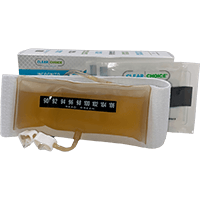
When people say wizinator, they usually mean the Whizzinator line. It’s a wearable prop that looks like a body part and dispenses liquid that is marketed as synthetic urine. You will also see it described as a novelty or theatrical training prop. In the real world, some people try to use it to substitute urine during a test, which is where the controversy comes from.
You will see familiar phrases in ads: the original whizzinator, whizzinator touch, whizzinator for men, female whizzinator, whizzinator fake penis. The kit is built around a few core parts: a prosthetic, a pouch or reservoir that holds liquid, tubing and a valve, heating pads or heater strips, and a bottle or packet of synthetic urine. Some boxes include a large syringe for transfer and branded cleaners listed under whizzinator replacement parts. The reason it draws so much heat is simple: trying to pass a drug test by substitution can violate laws and policies, especially in safety-sensitive roles like rail and transit. Consequences go far beyond losing a test fee.
What is in these boxes and what each piece is supposed to mimic
Let’s walk through the usual parts and what they claim to do—without giving use instructions.
Prosthetic unit: The device is designed to look anatomically realistic, often offered in multiple skin tones. The idea is to reduce visual suspicion under direct observation. Materials are usually soft plastics or silicone to imitate feel and appearance. It is a prop, not a medical device.
Medical-grade pouch or reservoir: This is typically vinyl or similar plastic. It holds liquid and connects to the prosthetic tip through tubing. The pouch sits against the body under clothing. It is intended to store enough liquid for a standard collection volume.
Heating elements: You will see phrases like whizzinator heat pads or whizzinator heating pads. These chemical pads warm up when exposed to air. Some kits include small temperature strips. Many users think of strips as precise gauges, but they are often only rough indicators, not medical thermometers. Their job is display. The real challenge is maintaining a narrow temperature window in real time.
Transfer tool: Most kits include a large syringe—commonly around sixty milliliters—to move liquid from a bottle into the pouch cleanly. That is a convenience tool for the prop. It is not an endorsement to use the prop during any testing.
Synthetic urine packet or bottle: The liquid is advertised to mimic pH, specific gravity, creatinine, urea or uric acid, color, and foam. Some people swap the included liquid for other brands—searches like synthetic urine whizzinator or whizzinator synthetic urine instructions are common—but quality varies widely. No brand can guarantee acceptance at a modern lab.
Straps and belt: A cotton or elastic waist belt and leg straps hold the pouch and prosthetic in place. Fit matters. Body shape, clothing, and movement can shift the placement and create noise or discomfort.
Paperwork and extras: You may see instructions and disclaimers that frame the kit as a novelty only. Brands sometimes sell cleaners and small parts under headings like whizzinator replacement parts.
| Component | What it mimics | Reality check |
|---|---|---|
| Prosthetic | Visual realism | Looks help only if observation is strict; still subject to scrutiny |
| Pouch and tubing | Stored urine and flow | Bulk, noise, and handling can raise suspicion |
| Heating pads | Body warmth | Temps drift with time, clothing, and room conditions |
| Synthetic urine | Lab-like metrics | Validity testing can flag weak formulas |
| Straps and belt | Concealment | Fit varies by body type and clothing choice |
How urine screening is actually run today and why the room matters
Understanding the collection room explains why claims like does the whizzinator work sound simple but rarely are.
Intake and ID check: When you arrive, staff verify identity, complete chain-of-custody forms, and control supplies. That paperwork matters. It documents every hand that touches the sample.
Collection settings: Two broad types exist. Unobserved collections give privacy in a stall, often used for routine preemployment. Observed collections mean a staff member has a direct line of sight while you provide the sample. Observation can be required after a previous issue, for certain policies, or during return-to-duty programs. The setting changes the risk landscape completely.
Immediate checks: The collector confirms the sample has enough volume, checks temperature within a short window after the sample is handed over, and looks for obvious issues like strange color or debris.
Adulteration safeguards: Test sites limit access to water and soap, add color to toilet water, seal faucets, and sometimes do pat-downs or check pockets where policy allows. These steps aim to prevent dilution or substitution.
Lab screening: Most programs use immunoassay as an initial screen. If results are nonnegative or policy requires, labs run confirmatory methods such as gas chromatography or liquid chromatography with mass spectrometry. Those are highly specific technologies and are standard across regulated programs.
Validity testing: Separate from drug detection, labs check whether a sample looks like human urine. Common checks include creatinine, specific gravity, and pH. Some labs look for oxidants or known adulterants. This is where weak synthetic formulations fail.
Policy nuance: Employers, courts, and safety-sensitive programs such as those aligned with federal transit or trucking rules follow strict, published protocols. In those environments, substitution is treated as a refusal to test with steep consequences.
| Step | What matters | Why claims fail |
|---|---|---|
| Collection room | Observed vs unobserved | Observation collapses many concealment tactics |
| Temperature check | Narrow window | Heating pads are inconsistent in real rooms |
| Validity tests | Creatinine, pH, specific gravity | Cheap urine products stand out |
| Chain of custody | Behavior and timing | Nervous delays can trigger observed recollection |
What marketing claims promise versus what independent reports actually say
Ads make big promises. Real users report mixed results.
Prosthetic realism: Five skin tones, soft material, and leak resistance sound convincing. In observed settings, collectors still look for behavior that does not match. Realism helps but does not seal the deal.
Pass any test claims: This language is not backed by independent validation. Modern validity checks and observation reduce success odds sharply, especially under strict policies.
Concealment: Some people praise low profile under loose clothing. Others say the unit is bulky and awkward in fitted pants or leggings. Movement can shift the pouch or create small squeaks and rustles that draw attention in a quiet room.
Temperature promises: Many ads suggest warmth for hours. In reality, room temperature, how long you wait, and clothing layers all matter. Reported failures often hinge on temperature drift and rushed prep.
Urine quality: Some buyers swap the included bottle for powdered formulas they trust more. Others claim the included liquid—sometimes branded as Golden Shower or similar—worked for basic screens. When labs run full validity checks, cheaper blends get spotted.
Review patterns: Public comments show successes mostly in unobserved collections. Failures cluster in observed or high-security programs. One recurring theme surprised me when I first gathered field notes: stress in the room leads to mistakes—fiddling with clips, opening valves at the wrong time, splashing, or making unnatural start and stop sounds.
What collectors and labs look for when spotting substitution
If you have ever wondered can the device be detected, here is what professionals watch—without any evasion tips.
Temperature outside range: This is the fastest red flag. If the reading is off, the collector can call for another sample under observation, or mark the attempt as a problem.
Appearance and odor: Unusual clarity, odd color, or missing normal foam can be suspicious. Human urine has a range of appearances, but some fakes look too perfect.
Chemical validity: Creatinine that is too low, specific gravity that is abnormal, or pH far from physiologic norms can trigger lab flags.
Additives and oxidants: Labs screen for agents used to mask drugs or oxidize analytes. Those signals are well known to professionals.
Behavior in the room: A sudden start and stop pattern in a silent collection area can sound unnatural. So can device noises like faint hisses or squeaks. Excessive clothing adjustments, delays, or anxious pacing may prompt closer observation.
Observation cues: In a directly observed test, a mismatched skin tone or an odd prosthetic behavior draws attention instantly.
For a deeper dive into test sensitivity and detection trends, we have a guide that answers a common question: can fake pee be detected.
Laws, policies, and consequences that often get missed
Here is the sober part many shoppers overlook. Some states restrict the sale, possession, or use of synthetic urine to defeat tests. Penalties range from fines to criminal charges. Employment policies can be stricter than the law. Tampering or refusing a test can mean losing a job offer or being terminated.
Courts and probation treat substitution as a violation. That can extend supervision or create legal risk. In safety-sensitive roles—rail, aviation, trucking—substitution counts as a refusal to test. You can be removed from duty and face a formal return-to-duty process with long timelines and monitored follow-up.
There is also civil exposure. In regulated industries, fraud or misrepresentation can follow you and affect future opportunities. Medical Review Officers document determinations; flagged events can be visible in certain systems that track compliance.
An ethical note from the transit side: undermining safety programs in rail operations goes against public safety mandates and community trust. That is not a lecture—it is a reminder of the stakes when vehicles, tracks, and passengers are involved.
This information is for educational purposes only and does not replace professional legal or medical advice. If you face a high-risk decision, consult qualified professionals.
Who stands behind the original device and what certification really means
The brand most people mean when they say whizzinator is produced by a company often listed as Alternative Lifestyle Systems. You will usually find phone and email support during business hours. Response times vary.
There is no FDA clearance or formal third-party certification stating any device can pass drug tests. When ads reference rigorous internal testing, that is marketing language, not independent validation. Warranty coverage usually applies to unused goods only due to hygiene laws. Always read the fine print.
Counterfeits exist. Buying from official channels reduces the chance of fake parts, expired heaters, or unsafe materials. Customer service can answer basic product questions framed as novelty use, but they cannot offer legal advice.
How this format compares with belts, tubes, and other competitors
The prosthetic format, including names like the original whizzinator and whizzinator touch, aims for realism. That approach is male-specific. Belt and tube pouches are usually unisex and lower profile. They trade realism for simpler concealment under looser clothing.
Common comparison terms include whizzinator vs urinator, and products like Privacy Belt, Monkey Dong, and other pouch systems. One example many researchers look at is a belt system that stays flat under clothing. If you are only comparing formats for general knowledge, you can read about a belt approach here: a concealed urine belt system.
Trade-offs are consistent: realism versus bulk, gender limitations versus unisex fit, and price versus perceived reliability. All of them still depend on two fragile factors—liquid quality and temperature control. None can overcome modern validity checks reliably.
For women, the female whizzinator or unisex pouch avoids a fake penis, which many find more comfortable and less obvious. The underlying lab and policy risks remain the same.
What it actually costs beyond the sticker price
Prices shift with sales and bundles, but a complete kit often lands around the mid hundreds in US dollars—people search how much is a whizzinator and usually see the same band. That is the starting point, not the end.
| Cost area | What to expect |
|---|---|
| Upfront price | Commonly in the one hundred plus range for a complete kit |
| Consumables | Extra heating pads, temperature strips, cleaners, and synthetic urine refills |
| Upgrades | Powdered formulas, spare syringes, belts, and whizzinator replacement parts |
| Shipping | Discreet packaging fees; rush shipping can be expensive |
| Failure cost | Loss of job offer, observed retest, or policy actions—often dwarf the device price |
| Returns | Usually unopened only; restocking fees and hygiene restrictions apply |
Fit, body type, and clothing realities people report
Marketing photos are still. Real life moves. Matching prosthetic skin tone helps only in true observation. For most people, bulk and placement matter more. Belts and straps sit differently on different bodies. With some builds, the pouch shifts when you sit or stand. That can cause tugging, squeaks, or visible printing under snug clothing.
Users say looser layers hide things better. Pouch capacity and tubing length limit where the unit can sit. Misalignment increases fumbling risk. Sweat and humidity add discomfort and can affect adhesive performance or how heaters behave. Long waits in a lobby lead to temperature drift. For women, unisex pouches can be easier to conceal while seated, but labs still run the same validity checks.
Where attempts most often fall apart according to patterns we see
Across reports, a few failure modes show up again and again. Temperature misses top the list. If the reading is out of range, the collector acts immediately. Next is poor synthetic urine quality—creatinine, specific gravity, or pH do not look human. Devices can leak or make noise. Some buyers get burned by counterfeits with weak seals or expired heaters. Overconfidence creates risks too. People underestimate observed collections or stricter employer rules. Stress then magnifies everything: rushing, mis-clipping valves, or arriving without the right consumables.
When I tested theater props for a training workshop, I learned the hard way that even setting up in a quiet room can make tiny noises obvious. If a prop is noticeable in a rehearsal, imagine a silent collection area.
A legal safer plan if you use cannabis and a urine test is coming up
If you rely on cannabis for health reasons and want options that do not jeopardize your career, here is a calm path forward.
Verify the testing program details: Ask what panel is used, whether collections are observed, and which policy governs your test—employer, court, or a safety-sensitive program. Clarity reduces guesswork.
Consider timing and abstinence windows: Over-the-counter, at-home screening kits can reduce uncertainty within the bounds of local law. They are not lab-grade but can give a general sense of timing.
Gather documentation: If you have a medical marijuana card where recognized, or physician documentation for a condition, keep it organized. Some employers cannot accommodate use for safety-sensitive roles, but documentation helps discussions for non-regulated positions.
Ask about accommodations or non-safety-sensitive placement: HR can tell you what is possible. For some roles, a non-safety-sensitive position may be an option while you work with your clinician.
Use employer assistance programs: Confidential counseling can explain policy details and support your planning. Hydration, rest, and appropriate medication disclosure can reduce benign anomalies in tests without falsifying samples.
If your risk is high, such as in rail operations or other safety-sensitive paths, pausing an application or choosing a different role short-term can protect your long-term goals.
Field note from a transit hiring pipeline
Here is a realistic example from our work in the Bay Area transit space. In a mock intake with a rail partner, a candidate who used medical cannabis applied for a safety-sensitive trainee role. Recruiters explained rules aligned with federal transit testing: any substitution or tampering is a refusal to test. The result is removal from duty and a formal return-to-duty process that takes time and includes monitored follow-up testing.
The candidate sat down with HR and mapped options—pause the application, look at a non-safety-sensitive administrative role, or consult with their physician on alternative therapies. They chose the administrative path, continued care, and later reapplied after a clean period. The lesson sticks with me: in rail and transit, especially as systems like future eBART connectors expand, public safety rules are strict for a reason. Honest planning preserves careers and community trust.
If you still plan to buy a novelty prop vet the unit without crossing lines
Some people buy these as stage props or for training. If that is your path, protect yourself as a consumer and stay within the law.
Check source authenticity: Buy from official sites to avoid counterfeits and unknown materials. Verify privacy and billing policies if discretion matters to you. Discreet shipping is common, but labels and receipts vary.
Replacement ecosystem: Confirm that consumables like pads and cleaners are available. If you prefer to compare brands, whizzinator competitors and unisex pouches often carry their own spare parts.
Read return terms closely: Most sellers accept only unopened items due to hygiene laws. Be skeptical of any guaranteed to pass claims. No seller can guarantee outcomes across lab methods or policies.
Keep purchases for legitimate prop, training, or theatrical use. Do not take novelty devices to any test site. That step alone can escalate a routine visit into a refusal or tamper determination.
Keeping it hygienic and strictly for legitimate prop use
Hygiene matters, even for props. Clean pouches and prosthetics with mild soap and water. Avoid harsh solvents that degrade vinyl or silicone. Let parts air-dry fully to prevent microbial growth. Store powders and pads in a cool, dry space out of sunlight. Replace single-use heaters after one activation. Do not try to recharge chemical pads.
Label prop gear so it never gets mixed with personal hygiene items. For film or stage training, keep a simple log of cleaning dates and assigned users. That small step builds trust with your team and keeps materials safe.
Quick glossary so search terms make sense
What is the whizzinator or what is a whizzinator: A brand family for a device that dispenses synthetic urine through a prosthetic. Wizinator or wizzinator: common misspellings. Whizzinator touch: a model that emphasizes realistic look and feel. Female whizzinator: unisex pouch format marketed to women that skips the prosthetic. Whizzinator vs urinator: a comparison of different systems, usually pouch versus bottle or tube devices. Synthetic urine whizzinator: the included or optional liquid product meant to mimic basic urine metrics. Whizzinator competitors: other brands that sell belt systems or pouches.
Things to do and things to avoid when researching kits
Do verify your testing program’s rules first. Observation, validity checks, and consequences vary, and that changes everything. Do consider lawful alternatives like timing, role selection, accommodations, assistance programs, and physician documentation.
Do read independent reviews for durability and fit—leaks, heater lifespan, and strap issues come up often. Do budget for ongoing consumables if you are buying a prop for theater or training. Don’t rely on guaranteed to pass marketing. Advanced labs and observation exist for a reason. Don’t bring any novelty device to a test site. Possession alone can be treated as tampering. Don’t share or resell used components. Hygiene and legal risks are significant. Don’t assume the included urine is top tier. Quality and shelf life vary widely across reports.
A balanced summary of potential upsides and downsides
Upsides exist. The prosthetic can look realistic. Kits bundle parts in one purchase. Some users find the setup discreet under certain clothing. But the downsides are big: legal exposure, employment policy violations, and detection through temperature or validity checks. There is also the human factor—stress leads to slips.
Gender and fit constraints matter. A prosthetic format is male-specific by design. Unisex belts simplify concealment but give up realism. Cost runs beyond the sticker, with heaters, cleaners, and refills adding up. And the true cost of a failed attempt—lost job offers or observed recollection—can be far higher than the device itself.
The bottom line I share with anyone asking does the whizzinator work is simple: no device is a guarantee. In safety-sensitive or high-security programs, lawful alternatives protect your health and your career.
FAQ
Does the Whizzinator really work?
Results depend on the collection setting and the lab. Unobserved collections offer concealment, but temperature and validity checks still apply. Observed collections and strict policies reduce success odds dramatically. No device can promise a pass.
Does it work for alcohol?
Urine alcohol testing methods and windows differ from drug testing. Some programs use breath or blood. No device can guarantee outcomes across methods.
Does it work for opiates?
Synthetic urine may claim to mimic basic urine markers. Labs perform confirmation testing that targets specific molecules. Marketing claims do not override lab science.
Can it be detected?
Yes. Red flags include out-of-range temperature, unusual appearance, suspect chemical values, oxidants, device noises, or behavior. For more context, see our guide on test detection of fake urine.
How long do the heating pads last?
Reported ranges vary. Temperature depends on room conditions, clothing, and time spent waiting. Claims of multi-hour stability often do not match real collection timelines.
Is it legal to use?
Some states restrict products intended to defeat tests. Employers and regulated programs treat substitution as refusal or tampering. Consult local laws and policies if you need legal clarity.
How do I clean it?
For legitimate prop use, wash with mild soap and water, rinse, and air-dry. Do not share used components. Replace single-use heaters; do not try to recharge them.
Is there a version for women?
There are unisex pouch formats marketed as a female whizzinator. They avoid the fake penis, but the same lab and policy limits apply.
How much does it cost?
A complete kit often sits in the mid hundreds before taxes and shipping. Expect ongoing costs for heaters, cleaners, and refills.
Where can I buy synthetic urine near me?
Availability depends on local laws. Quality varies widely, and counterfeit risk is real. Also remember that possession for test circumvention can carry legal or policy consequences.
If you are still exploring your options or looking for lawful strategies that focus on timing and personal choices, you may find our practical guidance on workplace testing useful, including how policy affects timelines and choices.
This article is for education only. It does not replace legal, medical, or employment counsel. Always consult qualified professionals for advice tailored to your situation.
