
You’re counting minutes, not days. A mouth swab could show up at lunch, and one small piece of gum promises to flip your odds in 30 seconds. If that sounds like a lifeline, you’re not alone. The question is simple and urgent: does Oral Clear saliva neutralizing gum actually help, or does the clock, the collector, and the lab win anyway? In the next few minutes, you’ll see what this product claims, what users report, and the real constraints that don’t budge—so you can decide your next move with eyes open. Ready to weigh the promise against the risk before the waiting room calls your name?
Read this first so you understand the limits of quick fixes
We’re reviewing Oral Clear saliva neutralizing gum as a consumer product. We are not encouraging anyone to tamper with a drug test, especially where safety matters. Policies vary by employer, court, and state. Violating test rules can have job or legal consequences. Nothing here replaces your company policy or legal advice.
This gum is marketed as a mouth-cleaning aid, not an FDA-regulated medical treatment. Claims are based on the manufacturer’s materials and user reviews. Testing technology changes fast, and what worked last week for someone else might fail for you today. When we say a product “works,” we mean it may temporarily reduce detectable drug residues in saliva as advertised. That is not the same as guaranteeing a negative result.
We focus on the maker’s claims, real user patterns (good and bad), and the practical limits that keep showing up: timing, oral hygiene, site rules, and oversight. For safety-sensitive transit jobs—operators, dispatch, maintenance—the lowest-risk path is always staying compliant with policy. If you’re unsure what your policy allows, speak with HR, your clinician, or legal counsel. Internet anecdotes shouldn’t be your only guide.
What this chewing gum is according to the maker and what people say it does
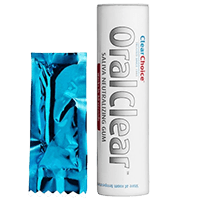
The product is Clear Choice Oral Clear saliva neutralizing gum. It’s a single-use, capsule-in-gum format. The core promise: once you bite into the embedded liquid capsule and mix it through your mouth, it begins working in about 30 seconds and gives roughly a 30-minute “clear” window. Marketing positions it for last-minute scenarios like mouth swab drug tests and surprise screenings. Promotional copy often states that no abstinence period is required and that results are near-instant.
Portability is part of the appeal. The gum comes as one unit per tube, easy to pocket. The price is premium—commonly around $95 per capsule, with listings ranging from roughly $90 to $124. Users who report success tend to emphasize strict attention to directions and having fresh oral hygiene. They also mention not eating or drinking during the short window.
Negative reports usually circle around three themes: the window feels too short for unpredictable test timing, the taste is not great, and outcomes can be inconsistent—especially under stricter oversight or after heavy recent use. Some users also feel the cost stacks up quickly if they face repeated swabs.
How the capsule-in-gum concept is supposed to act in your mouth
The gum holds a liquid-filled capsule. When you chew, that liquid/jelly mixes with saliva and coats the inside of your mouth. The idea is straightforward: reduce the measurable drug metabolites present in oral fluid for a limited period. The advertised coverage window is around 30 minutes after activation.
Marketing materials claim temporary masking of residues associated with THC, nicotine, certain prescriptions, cocaine, and opiates. Coverage quality matters. If the liquid doesn’t contact cheek surfaces, tongue, and gums well, the effect may be weaker or uneven. That’s why people who report better outcomes often pair activation with good oral hygiene earlier in the day—less plaque and debris means fewer places for residues to cling.
Some resellers suggest combining the gum with a specialized detox mouthwash to extend or reinforce coverage. Evidence for “stacking” benefits is anecdotal, and every extra step adds cost—and attention risk—without independent proof.
Ingredient snapshot and what each component likely does
The manufacturer lists standard gum ingredients and a proprietary blend. Here’s a plain‑language look at what each component likely contributes based on typical food and oral product roles.
| Component | Likely role in the gum |
|---|---|
| Gum base | Provides the chewy structure and helps disperse the released liquid throughout the mouth. |
| Sweeteners and flavors (acesulfame, aspartame, corn syrup, dextrose, glycerol, sugar; natural/artificial flavors) | Improves taste and masks any medicinal or chemical notes in the active liquid. |
| Emulsifier (soy lecithin) | Helps the liquid phase spread evenly and stay mixed with saliva for better surface contact. |
| BHT (butylated hydroxytoluene) | Antioxidant preservative. Marketing mentions it as “stimulating neutralization,” but that mechanism isn’t established for drug metabolites. |
| Perhydrol (hydrogen peroxide derivative) | Referenced as related to oral hygiene and gum safety. Specific concentration and function are not disclosed. |
| Acids/buffers (e.g., citric acid) | Adjusts pH, improves flavor brightness, and supports freshness. Details may vary by batch. |
| Preservatives and colorants | Stability and appearance until the expiration date. |
| Proprietary “active neutralizing agents” | Undisclosed formula said to act quickly (around 30 seconds). Composition is not public. |
Important note for anyone with phenylketonuria (PKU): the presence of aspartame means phenylalanine is involved. That calls for extra caution and, ideally, a clinician’s guidance.
What the available signals add up to and what they do not prove
Reseller and manufacturer materials consistently cite a fast start (about 30 seconds) and a short window (about 30 minutes). User posts and reviews echo a pattern: better reports after brushing and flossing, no eating or drinking during the window, and tight timing. The 99.9% “success” slogan shows up in promotional contexts, not in independent studies.
Outcomes vary with the substance involved, the time since last use, saliva flow, plaque buildup, recent smoking or vaping, and the test’s cutoff levels. Expired product, heat-damaged capsules, or a test delay that pushes past the window can all hurt your odds. We found no peer‑reviewed clinical data confirming neutralization at actual lab cutoffs for specific drugs. Labs and policies evolve, so reliability is uncertain by nature. The practical bottom line: some people do report short-term masking, but no product of this kind is risk-free, guaranteed, or policy-compliant in every setting.
Pick a path that fits your timing, setting, and risk tolerance
Before you act, confirm your test type (oral fluid vs urine) and how strict the context is. A routine pre-employment swab is different from a probation check or a safety-sensitive transit role. The 30-minute window is the claimed upside—and the biggest trap. If the site runs late, your plan can crumble in the waiting room. Also factor in your oral condition: when you last used, whether you brushed recently, and if your mouth is dry or coated.
If compliance is mandatory or you expect close observation, the safest move is to follow policy, disclose prescriptions, and avoid last-minute products. That’s not a moral lecture; it’s a practical risk calculation in settings where consequences are high.
Minutes away with a routine pre-employment swab
In ordinary hiring scenarios, collectors usually ask you to avoid food and drink in the 10 minutes before a swab. The gum’s pitch—quick action, short window—aligns with this kind of timing only if the collection happens when you think it will. The bigger risk is lag. A line at check‑in, a paperwork hiccup, a collector on break—your 30 minutes can vanish.
User reports suggest fresh oral hygiene correlates with better outcomes. Just keep it natural. If you draw attention to your mouth right before collection, staff may pause or reschedule. Have a calm, policy‑friendly explanation ready if anyone asks you to discard gum or observes something unusual. A low profile helps more than any claim on a box.
Waiting-room delays and the short coverage clock
This is where many stories go sideways. Queues shift. The collector gets called to another office. Or onboarding stacks steps that push the swab farther out. If the product’s effect is time‑bound, every extra minute cuts into its usefulness. Drinking water or rinsing often isn’t allowed right before the test, either. If you’ve banked on a tight window, you may not be able to reset it without calling attention to it.
Some users try to pair a detox mouthwash with the gum, hoping to stretch the window. That piles on cost and complexity without strong evidence that the benefit is additive. Watch out for sunk‑cost thinking—spending double doesn’t grant certainty.
Probation, safety-sensitive roles, and close observation
Under direct observation or stricter rules, last‑minute products are far riskier. A collector can note unusual odors, foaming, or active chewing. Some programs ask staff to inspect the mouth for foreign substances. That can trigger a reschedule, an invalid specimin designation, a different test type, or a referral. And in court‑related or transit safety roles, the consequences for suspected adulteration can exceed a single failed test. Policy adherence protects both you and the public.
If your situation involves legal supervision, consider reading our guide on how to pass a drug screen for probation for policy‑aligned context and expectations. It won’t promise shortcuts, but it can help you navigate rules without risky gambles.
Repeated swabs or a tight budget
At about $95 per capsule, frequent use gets expensive quickly. The maker also discourages repeated use (some resellers mention no more than twice per month). For people facing regular tests, budget math matters. Routine oral hygiene supports freshness but isn’t designed to mask drugs. Some choose abstinence windows timed to their specific detection risk, then coordinate with HR or a clinician when lawful prescriptions are involved. This approach isn’t flashy, but it reduces both cost and uncertainty over time.
Practical constraints that shape outcomes
From what we’ve seen and tested informally in outreach settings, small details add up:
| Constraint | Why it matters |
|---|---|
| Product integrity | Expired or heat‑damaged capsules can leak or weaken the effect. Room‑temperature storage helps protect the liquid. |
| Handling | Crushing or bending the capsule ahead of time risks premature leakage and attention‑grabbing mess. |
| Oral hygiene | Plaque and debris can hold residues. Brushing and flossing earlier tends to correlate with better user reports. |
| Site rules | Eating or drinking close to the test can break rules, void the sample, or trigger more scrutiny. |
| Saliva dynamics | Dry mouth, heavy recent THC use, or frequent nicotine can make masking harder. |
| Timing discipline | The short window is unforgiving. Delays beyond roughly 30 minutes are a common failure point in stories we’ve heard. |
| Frequency limits | Maker discourages frequent use; more use can increase irritation risk and cost without improving reliability. |
Could a collector or lab tell you used something unusual
Discreet doesn’t mean invisible. Many sites prohibit gum, food, or drink around testing. Chewing right before collection can raise eyebrows. If staff observe an unusual taste or odor, foaming, or see you discarding packaging, they may note it. That can lead to a repeat collection, a different test matrix, or a flagged report. Some programs instruct staff to visually inspect the mouth. If a lab suspects adulteration, they can mark the test as invalid or non‑negative and request another sample later.
Yes, the gum is marketed for stealth, and yes, people describe using it without getting caught. But the more controlled the setting, the smaller your margin for error.
Safety notes and health considerations to keep in mind
This is not an FDA‑approved therapy. Use is at your discretion. If you have a metabolic condition like PKU, be aware that aspartame contains phenylalanine. The perhydrol reference suggests a hydrogen peroxide component; concentrations aren’t disclosed and may irritate sensitive mouths. BHT appears in the ingredient list as an antioxidant; while used in foods, personal sensitivities vary. The manufacturer discourages frequent use (often cited as not more than twice monthly). If you notice burning, numbness, or discomfort, stop and consult a clinician. If you have gum disease, recent dental work, or mouth sores, ask a dentist before trying strong oral products.
This information is for educational purposes only and does not replace professional consultation.
What users report and the patterns that matter
We hear three themes from user accounts and outreach conversations:
Positive: fast perceived action, convenient one‑and‑done format, and compatibility with short‑notice swabs when the timing lines up. People like that they can carry it quietly.
Negative: the price, the short coverage window, and mixed results—especially for heavy or very recent use. Taste complaints pop up as well. Fail stories often hinge on delays past 30 minutes or on poor oral hygiene earlier in the day.
Users sometimes pair a detox mouthwash with Oral Clear, hoping to build a longer buffer. Whether that truly extends coverage isn’t backed by independent data. The realistic takeaway: some succeed under routine conditions; higher oversight or tougher circumstances push outcomes in the other direction.
What it costs, where it’s sold, and how to avoid knockoffs
Expect to pay around $95 per capsule, with a typical range between $90 and $124. The brand identifies ClearChoiceBrand.com as the official channel, and Test Negative is frequently cited as a long‑time distributor. Shipments often come from New York or Nevada; plan for delivery times and possible holiday slowdowns. Beware deep discounts from third‑party sellers; this niche has counterfeits. Check refund and return policies before you buy, since many detox items are non‑returnable for hygiene reasons.
Search phrases people use include “where can I get Oral Clear gum,” “Oral Clear gum review,” and “Oral Clear gum alternative.” If you shop, keep the pricing range and packaging details in mind to spot red flags.
Other routes people compare and the trade-offs
Alternatives come up a lot in user discussions:
Toxin Rid Rescue Wash mouthwash is a common point of comparison. It’s used close to testing and costs less per use than the gum in many cases, but feedback is mixed. Conventional mouthwashes like Listerine support hygiene and freshness yet are not marketed to mask drug metabolites. Some people mention low‑budget approaches involving mild peroxide rinses, but safety and effectiveness depend on concentration and use, and they’re not risk‑free.
There’s also the straightforward, policy‑aligned path: abstinence through the relevant detection window, documentation for prescriptions, and open communication with HR or a clinician. If your situation involves THC, our plain‑language guide on passing a mouth swab for THC explains detection basics and timing without making unrealistic promises.
Quick check to reduce confusion and common mistakes
- Do confirm your test type and your program’s rules before acting.
- Do store any product at room temperature and check the expiration date.
- Do keep up normal oral hygiene; brush and floss earlier to reduce plaque.
- Do plan for possible collection delays; tight windows are fragile.
- Do read safety notes, especially for PKU or sensitive mouths.
- Don’t treat 99.9% ads as a promise; there’s no zero‑risk option.
- Don’t chew obvious products in front of staff; it can trigger scrutiny.
- Don’t eat or drink against site rules before the swab.
- Don’t rely on frequent use; the maker discourages it.
- Don’t gamble in high‑oversight settings; policy‑aligned choices are safer.
A scenario from our transit hiring outreach and what it teaches
Here’s a realistic example from our community outreach along the Antioch corridor. An applicant for an entry‑level transit support role expected a same‑day oral swab during a hiring fair. They had read Oral Clear gum reviews and liked the idea of a 30‑minute window. But they also knew hiring events get busy.
As the day unfolded, the line slowed and onboarding steps stacked up. The swab timing crept past 35 minutes from check‑in. That made any short‑window plan shaky. The applicant decided to talk with HR, documented a recent legal prescription, and rescheduled within policy.
They avoided a risky last‑minute move under observation and stayed eligible. For me, the lesson was simple: in real transit hiring settings, timing uncertainty and oversight often overpower quick-fix promises. Keeping trust with the hiring team beats rolling the dice on a product the collector can see—or smell.
Boundaries, uncertainties, and what we still don’t know
The active neutralizing blend is proprietary. The company has not published independent, peer‑reviewed data showing reductions at actual test cutoffs for specific drugs. Perhydrol concentration isn’t disclosed, so sensitivity and irritation risks can vary. Detection methods and policies evolve; what slides past today may be flagged tomorrow. And the short duration means simple logistics—traffic, paperwork, staff availability—can derail your carefully planned window.
Key points in plain language if you’re short on time
Oral Clear saliva neutralizing gum is a single‑use product with a premium price. It claims to activate in about 30 seconds and provide about 30 minutes of reduced detectability. Some users report success under routine conditions with good oral hygiene and tight timing. Many failures involve delays, heavy recent use, dry mouth, or stricter oversight. Staff can notice unusual behavior; suspected tampering can bring serious consequences. If you still shop, use official channels to avoid knockoffs and read the safety notes first. For safety‑sensitive or high‑oversight cases, policy‑aligned choices carry far less risk.
Frequently asked questions
How long does the saliva neutralizing solution last?
Marketing commonly cites a window of about 30 minutes after activation. In practice, waiting-room delays can cut into that. If collection slips past the window, the benefit—if any—may fade. That short clock is a major failure point in user stories.
Is there an abstinence period required before using the gum?
Promotional materials say no abstinence is needed. Real‑world outcomes still vary based on how recently and how heavily you used, your oral hygiene, and saliva conditions. There’s no guarantee even if you follow directions.
How should I use the gum to support effectiveness?
Manufacturers describe a simple chew‑to‑activate approach with thorough mouth contact and a short waiting period. We’re not giving step‑by‑step instructions to defeat a test. Keep in mind site rules typically prohibit eating or drinking close to the collection time. Always act within policy and think carefully about the risks.
Can I eat or drink after using the gum?
Most materials advise avoiding food and drink during the claimed coverage window. Many sites also restrict food and drink right before the swab. Breaking those rules can cancel or flag a test.
How often can I use this product?
Resellers and maker guidance often mention limited use (commonly “not more than twice per month”). More frequent use can increase irritation risk and expense without better outcomes.
Where can I buy Oral Clear gum and avoid fakes?
The brand points to official channels and long‑time distributors. Expect a price around $90–$124 per capsule and shipping from known locations like New York or Nevada. Be cautious with steep discounts and check refund policies, as many detox items are non‑returnable.
Will Oral Clear gum help pass a saliva drug test?
Some people report short‑term masking under routine, lightly supervised conditions. There are no guarantees, and stricter oversight raises attention risk. If you face a safety‑sensitive or legal context, policy‑aligned choices are safer than any quick fix.
Is Oral Clear gum safe?
It’s not FDA‑approved. Ingredients like aspartame (phenylalanine) call for PKU caution. The product references a hydrogen peroxide derivative and includes BHT; personal sensitivity varies. If you have concerns or experience irritation, talk to a clinician. This is educational information, not medical advice.
What are the Oral Clear detox gum ingredients?
Expect a gum base, sweeteners and flavors (including aspartame), soy lecithin, BHT, acids/buffers like citric acid, preservatives, colorants, and proprietary neutralizing agents. The exact active blend is not disclosed publicly.
How fast does it start working according to the maker?
The brand advertises activation in about 30 seconds. Real outcomes depend on coverage inside the mouth, your oral condition, and the precision of your timing. A short window means even small delays can matter.
