
If you’re staring down a surprise mouth swab test for THC, the anxiety is real. You need to know how to pass a mouth swab test for thc, and you need a plan that actually works for a working person—not some expensive, theoretical nonsense. It feels unfair, right? Penalized for what you do on your own time, while the job you need hangs in the balance.
This guide is built as a troubleshooting journey. We’ll walk through the common mistakes that trip people up—from misunderstanding the science to trusting bad advice you might find on forums about how to pass a swab test for marijuana. By avoiding these pitfalls first, you’ll see exactly why the evidence-based method works. Think of it as clearing away the myths to reveal a clear, practical path forward. Let’s get into the variables and build your scenario for success.
Mistake #1: Misunderstanding the Science Behind a Mouth Swab Drug Test
The first critical mistake is thinking a mouth swab test is simple or easy to fool. Let’s break down the scenario. This isn’t a pass/fail quiz with a cheat code; it’s a scientifically rigorous method designed to detect recent drug use, not your long-term history. The test is, at its core, an immunoassay of saliva. That’s a technical way of saying it’s a chemical reaction that looks for specific drug molecules in your spit.
Here’s the basic procedure and the variables at play: a collector swabs the inside of your cheek or under your tongue with an absorbent pad to gather oral fluid. That specimen is then sealed and sent to a lab. The science behind it is based on passive diffusion. When you use a substance, it enters your bloodstream. From there, the free, unbound portion of the parent drug—think of it as the active ingredient—passes from your blood plasma, across your salivary glands, and into your saliva. The test is looking for that parent drug or its metabolites.
The most important fact most people miss is the short detection window. For THC, the typical estimate is up to 24-72 hours after use, with some studies showing detection as early as 30 minutes post-use. This window is the key variable. It means the test is primarily a snapshot of the last day or two, not a report on your lifestyle. This short window is both the opportunity and the trap. It’s an opportunity because it means a disciplined break can clear your system. It’s a trap because if you misunderstand it and assume you have more time than you do, you’ll walk in unprepared. That critical timing error is exactly what we need to address next.
Mistake #2: Ignoring the Critical Detection Windows for THC and Other Drugs
That short window is useless if you don’t know the exact timeline for your situation. Guessing wrong is how you fail. So let’s replace the guesswork with a concrete timeline for your risk assessment.
The THC Timeline: It’s Not One-Size-Fits-All
The single biggest variable is your usage pattern. The detection window for THC in saliva isn’t a fixed number; it’s a range heavily influenced by how often and how much you consume.
- For the occasional user (a few times a month), THC is typically detectable for 12 to 24 hours after last use. In many cases, it can clear within a day.
- For the heavy, daily user—the “stoner” who smokes multiple times a day—the scenario changes dramatically. Due to accumulation in your system, THC metabolites can be detected for up to 72 hours, and sometimes as long as 1 to 7 days after your last session. This is the critical estimate most people get wrong.
This is a fundamentally different game than a urine test. If you’re used to planning for a how to pass a urine test for THC, where detection can last a week or more for a light user and over a month for a chronic user, the saliva timeline seems like a gift. But that short window creates a false sense of security if you don’t respect its specific limits.
It’s Not Just About THC: Other Substance Timelines
The test is likely checking for more than just weed. Here’s a general estimate of detection windows for other common substances in oral fluid:
- Cocaine: Up to 36-48 hours for an occasional user; chronic use can extend this to 5-10 days.
- Methamphetamine/Amphetamines: Typically up to 48 hours, but chronic use can push it to 4 days or more.
- Opiates (like heroin): The parent drug itself has a very short window (~1 hour), but metabolites can be detected up to 36 hours.
- Prescription Opioids (like oxycodone): Detectable up to 48 hours.
- Nicotine/Cotinine: Often included in panels, detectable for 1-4 days.
Why Your Dabs Might Change the Equation
A key variable is what you’re smoking. The method of administration matters. When you smoke flower, THC is deposited directly into your oral cavity. With highly concentrated forms like wax, dabs, or cartridges, you’re introducing a much higher dose of THC into your system. Higher doses generally prolong detection times. While hard data comparing dab smokers to flower smokers in saliva is limited, the principle of dose-dependency is clear. If you’re a heavy dabber, it’s safest to estimate you’re at the longer end of the 24- to 72-hour (or beyond) window. Don’t assume the timeline for someone who smokes a joint on the weekend applies to your daily dab habit.
All right, so now you have the estimates. The next mistake is trusting the wrong things to clean you out in time.
Mistake #3: Trusting Unproven Home Remedies and Quick Fixes
So, your first move is probably to hit the search bar. You’re looking for a hack, a home remedy, something you can do in your bathroom or in the car right before the test. I get it. The internet is full of suggestions. Let’s run through the most common ones and separate the hopeful myths from the reality.
The list of DIY solutions is pretty predictable. You’ve got the intense oral hygiene protocol: brushing your teeth, gums, and tongue like your life depends on it, sometimes multiple times. Then there’s the hydrogen peroxide mouthwash—a lot of folks swear by swishing with that 3% solution you find in the brown bottle. You’ve also got people recommending specialized, commercial detox mouthwashes, often sold as “pass your test” kits. And then there’s the chewing gum trick, with products like Oral Clear saliva neutralizing gum being a popular last-minute option for people who can’t or don’t want to do a full rinse.
Here’s the reality check. The scientific evidence, what little there is, points to these being extremely temporary fixes at best. A standard rinse, whether it’s with water, Listerine, or a peroxide solution, basically just washes the loose drug metabolites out of your mouth. The problem is, those metabolites are constantly being secreted from your bloodstream back into your saliva. One study showed that even specialized commercial adulterant mouthwashes had no effect on test results if the test was administered just 30 minutes later. The federal testing procedure itself has a built-in 10-minute waiting period after you enter the collection site, specifically to let fresh saliva flow and wash away any residue.
The pain of relying on these myths is real. It gives you a false sense of security. You do the peroxide rinse, your mouth feels clean, and you walk in confident. But if your test is sent to a lab for confirmation—a common scenario for jobs that really care—their equipment is looking for specific chemical compounds with high accuracy. That rinse doesn’t touch the metabolites in your blood, so they just reappear in the new saliva your mouth produces. The result? A failed test and a lost opportunity.
This brings us to those commercial mouth swab drug test pass kits. Your skepticism here is completely justified. These products are not regulated as drugs by the FDA, so their marketing claims aren’t verified. They’re often expensive, and from what we can see in the limited research, they act as temporary masking agents whose effects wear off quickly. The core mechanism doesn’t change: they can’t eliminate metabolites from your bloodstream. Paying a high price for a bottle of mouthwash that might buy you 30 minutes of lower concentrations is a huge gamble, especially when the testing lab’s protocol is designed to outlast that window.
The bottom line is this: these quick fixes focus on cleaning the mouth, but the test is often detecting what’s coming from your blood. Ignoring that fundamental science is a major mistake. And often, the failure isn’t really the method’s fault—it’s because the user ignored their own personal variables, like how much and how recently they used. That’s the critical piece we need to look at next.
Mistake #4: Not Assessing Your Personal Risk Factors Before the Test
Here’s the hard truth: what worked for your buddy might completely fail for you. That’s not bad luck—it’s biology. Your personal habits and body create a unique risk profile that dictates how long drugs stick around in your mouth and how well any cleansing method will work. Ignoring these variables is like using someone else’s prescription; it might not fit your scenario at all.
Let’s break down the key factors you need to assess.
Frequency of Use: The Daily Driver vs. The Occasional Toker
This is the biggest variable. The detection window for THC in saliva isn’t a single number; it’s a range based on how often you use.
- Occasional users might clear THC in 12-24 hours.
- Heavy, daily users can test positive for up to 72 hours, and sometimes for 1-7 days according to some estimates.
The mechanism is straightforward: chronic use leads to drug accumulation in your oral mucosa. Every time you smoke, you’re depositing THC directly onto the tissues of your mouth. If you’re doing that multiple times a day, every day, you’re building up a reservoir that takes longer to flush out.
Potency of Product: Flower vs. Concentrates
What you use matters just as much as how often. Smoking anything—whether it’s flower, wax, or a cartridge—creates immediate, high concentrations in your saliva from direct deposition. However, high-potency concentrates like dabs and carts deliver a massive payload of THC in a single hit.
For the daily dab smoker, this is your critical challenge. You’re combining the worst variables: frequent use and high-potency delivery via smoking. This scenario likely puts you at the highest risk end of the detection window spectrum. The concentrates cause significant direct oral deposition, and with daily use, they extend that apparent detection time well beyond what a light flower smoker would experience.
Individual Metabolism and Hydration
Your body’s natural processing speed is a factor you can’t fully control, but you can influence it. Metabolism, dose amount, and hydration all influence oral fluid drug concentrations. Someone with a faster metabolism may clear substances quicker.
Hydration is particularly key. Dehydration reduces your saliva flow rate. Saliva is your body’s natural rinsing system; it physically dilutes and removes drug residue. Reduced flow means drugs hang around longer in your mouth. One estimate suggests a loss of just 3% of your body mass in water can reduce saliva flow by a staggering 67%. If you’re walking into a test dehydrated with “cottonmouth,” you’re working against yourself.
Oral Health: The Hidden Amplifier
This is the factor almost everyone overlooks. Your oral health directly impacts drug clearance.
- Dry Mouth (Xerostomia): Whether from a medical condition, medications (like antidepressants), or just being dehydrated, low saliva flow decreases the physical removal of drugs. Unstimulated saliva flow rates of 0.3-0.5 mL/min are normal; rates at or below 0.1 mL/min (hyposalivation) result in higher drug concentrations because there’s less fluid to dilute them.
- Gum Disease: Conditions like severe periodontal disease are correlated with reduced salivary flow and altered saliva pH. A lower, more acidic oral pH can affect how drugs are ionized and cleared, potentially slowing the process down.
If you already have dry mouth or poor oral health, your baseline risk is higher, and standard cleansing methods may be less effective for you.
Your Self-Diagnosis: Before you choose a plan, you need to honestly place yourself in a risk category. Are you an occasional user who took a few hits three days ago? Or are you a daily dab smoker with a test tomorrow morning? Your strategy must match your personal risk profile. The heavy daily user with a short timeline faces a fundamentally different—and more difficult—scenario than the light user.
Quick Self-Assessment: What Is Your Personal Risk Category?
Okay, so let’s build your personal risk profile. Think of this like a quick diagnostic check. The science tells us that detection windows aren’t one-size-fits-all—they’re a range based on a few key variables about you. Answering these questions honestly will give you a solid estimate of which risk category you fall into, and that directly dictates how aggressive your cleansing protocol needs to be.
Your Personal Risk Assessment
Answer these five questions. Be brutally honest with yourself; your job may depend on it.
- What’s your usage frequency?
- Scenario A: You smoke or consume THC occasionally—maybe a few times a month, not every week.
- Scenario B: You are a daily, chronic user. You consume multiple times a day, every single day. This is your baseline.
- What’s your typical THC concentration?
- Scenario A: You primarily use traditional flower (bud).
- Scenario B: You regularly use high-potency concentrates like wax, dabs, shatter, or high-milligram edibles. These pack a much higher dose per session.
- How much time do you have between your last use and the test?
- Scenario A: You have more than 72 hours (3 full days) of abstinence before the swab.
- Scenario B: You have less than 72 hours, and especially if it’s under 24 hours. This is the critical variable.
- What’s your physical activity and hydration level?
- Scenario A: You’re generally active, drink plenty of water throughout the day, and don’t suffer from chronic dry mouth.
- Scenario B: You have a sedentary lifestyle, often forget to drink water, and frequently deal with “cottonmouth,” even when you’re not high.
- How’s your oral health?
- Scenario A: You have good saliva flow; your mouth feels normal most of the time.
- Scenario B: You have known issues with dry mouth (xerostomia), maybe from medications or other conditions, or have poor oral health that affects saliva production.
Interpreting Your Results: Low Risk vs. Critical Risk
Now, let’s see where you land. This isn’t about judgment; it’s about understanding the scenario you’re in so you can pick the right plan.
- You likely fall into the LOW-RISK category if: You answered mostly “A”s. You’re an occasional user, with good time (72+ hours) since last use, decent hydration, and normal oral health. For you, the standard detection window estimate is on the shorter end—potentially under 24 hours. Your main job is to avoid re-contamination and support your body’s natural clearance.
- You likely fall into the CRITICAL-RISK category if: You answered mostly “B”s. You are a heavy, daily user of high-potency products, with a short timeline (under 72 hours, especially under 24), and you might have issues with dry mouth. This is the toughest scenario. The science indicates that chronic use leads to accumulation in your oral mucosa, and dehydration or low saliva flow concentrates what’s left. Your detection window estimate stretches significantly—it could be 72 hours or potentially longer. Your protocol needs to be more intensive and is working against a tighter clock with higher stakes.
The Bottom Line for Your Plan:
If you’re in the Low-Risk group, the standard, disciplined cleansing method we’ll outline may be sufficient. If you’re in the Critical-Risk group, you need to follow that same method with maximum rigor, understand that your margin for error is slim, and pay close attention to the advanced troubleshooting steps. Be honest here—underestimating your risk is the fastest way to an invalid result.
Mistake #5: Making Procedural Errors During the Actual Test
You can do everything right—the timing, the cleansing protocol, the personal risk assessment—and still fail by making a simple, avoidable mistake during the actual test. The procedure itself is a minefield of small errors, and the test administrator is there specifically to watch you walk through it. From their perspective, their job is to ensure the integrity of the sample. They are a professional stickler for the protocol.
The Administrator’s Perspective: They Are Watching for Tampering
Understand that the collector is not your friend in this scenario. Their primary role is to observe and enforce the rules to prevent any adulteration or dilution of the sample. According to standard procedures, like those outlined by Quest Diagnostics, the collector must directly observe the donor throughout the entire collection process. They are watching for a few key red flags:
- Dry Mouth: If your mouth is conspicuously dry, it’s a major warning sign. It could indicate an attempt to concentrate less residue or to intentionally delay the sample from saturating the swab.
- Tampering: Any attempt to touch, chew, suck on, or manipulate the collection pad will be noted.
- Foreign Objects: They will inspect your mouth and require the removal of any gum, food, or tobacco before the test begins.
Common Procedural Errors That Invalidate Your Prep
Here are the specific mistakes that can ruin your chances, even if your mouth is clean:
- The 10-Minute Wait Violation: There is a mandatory waiting period—typically 10 minutes—after the collector inspects your mouth and before they even open the collection device. During this time, you cannot eat, drink, chew gum, or smoke. Breaking this rule can force a restart or raise suspicion.
- Improper Swab Placement: You can’t just hold it anywhere. The absorbent pad needs to be placed in the correct location, usually under the tongue or between the cheek and gum, to collect the oral fluid properly. Putting it on top of your tongue or in the wrong spot is a common error.
- Failing the Moisture Check: The device has a sample volume indicator (often a pad that changes color from white to blue). If it doesn’t saturate within the typical 2 to 10-minute window, the test is void. If you have severe “cottonmouth” from anxiety or your prep, you might not produce enough saliva in time.
- Handling the Device Incorrectly: Once the package is open, you must keep the pointed end of the device facing downward. You cannot set the swab on the counter. You must not talk, cough, or move excessively while it’s in your mouth.
The Correct, Discreet Technique
When it’s time, here’s the physical process you need to execute calmly:
- Placement: When instructed, place the absorbent pad firmly under your tongue. Close your mouth completely and tilt your head slightly forward. This uses gravity to help saliva pool around the pad.
- Moisture Maintenance: The goal is to keep the pad saturated without manipulating it. If your mouth feels dry, gently press your tongue against the roof of your mouth to stimulate flow. Do not suck on the pad or chew it.
- Mind the Clock: Be prepared to hold it there, still and silent, for up to 10 minutes. Focus on breathing through your nose. Think of it as a quiet, physical task you must complete.
- Dental Appliances: If you have braces, a retainer, or a snap-on veneer, be aware that these can trap THC metabolites. There’s no guaranteed way to clean them perfectly in a short window, which is a variable that works against you.
The entire process is a physical procedure with a watcher. Turning your abstract anxiety into this step-by-step, manageable action is key. Your job in that room is to be a model donor who follows every silent, physical instruction to the letter.
Mistake #6: Assuming All Substances Have the Same Detection Timeline
Look, I know this entire guide has been focused on THC, and for good reason—it’s what most folks are worried about. But here’s a critical variable that trips people up: you cannot assume the same cleansing protocol or timeline applies to every substance you might have in your system. If you’ve used other drugs recently, applying a THC-focused mouth-cleaning routine to them is a shoddy way to prepare, and it risks you failing for something you didn’t even account for.
Let’s break down the major categories.
Nicotine (Cotinine) is a Different Beast Entirely. If you’re wondering how to pass a nicotine saliva test, the short answer is that the standard THC protocol is largely ineffective. Nicotine is metabolized into cotinine, and cotinine has a much longer detection window in saliva—often up to 7 to 10 days for a regular user. That 12 to 72-hour window we talk about for THC? It doesn’t apply here. There’s no reliable, quick-fix mouthwash or rinse that will clear cotinine from your saliva in a matter of hours. The only surefire estimate for passing a cotinine test is an extended abstinence period of at least a week, and even that varies with personal metabolism.
Alcohol Tests Operate on a Different Clock. If you’re trying to figure out how to pass a saliva alcohol test, understand it’s often screening for very recent use. Alcohol itself clears the bloodstream and saliva relatively quickly, usually within 12 to 24 hours. However, some tests look for EtG/EtS metabolites, which can extend that window slightly. The bigger risk here is a procedural false positive. Using an alcohol-based mouthwash right before your test can trigger a positive result for up to 15 minutes after use. So, if your strategy involves a last-minute rinse, you must use an alcohol-free formula, or you’re creating your own problem.
Hard Drugs Have Their Own Short, Distinct Timelines. This isn’t the place for a deep dive on each one, but be aware: cocaine, meth, opiates—they all have unique detection windows, often in the 24 to 72-hour range for single use, but chronic use can extend that significantly. The point is, if you’ve used something other than weed, you need to research that specific substance’s timeline. Applying the THC peroxide-and-brushing method to a meth detection window is an unknown variable, and it’s a gamble I can’t estimate for you.
The core lesson here is about precision. You have to know what you’re being tested for and apply the correct science to that specific substance. Assuming a one-size-fits-all approach is how you pass for THC but still fail the test.
The Proven Method: A Step-by-Step Plan to Pass Your THC Mouth Swab Test
Alright, so you’ve seen the common mistakes. Now, let’s get into the actual protocol. This is a process, not a single magic bullet, and it’s built around one critical variable: how much time you have between now and your test. Your strategy changes dramatically based on that window. I’m going to break this down into three scenarios. Follow the steps for your specific timeframe.
The 24+ Hour Head Start
This is your ideal scenario. If you have a full day or more, your odds are the best they can be.
- Hour Zero: Stop Immediately. The moment you know about the test, you stop all THC consumption. Not “one more hit.” Now. Every hour of abstinence is an hour your body isn’t depositing fresh metabolites into your saliva.
- Hydration Protocol: Start drinking water consistently. Not gallons at once—that can get your sample flagged as dilute. Just steady, increased intake to stimulate saliva production and natural clearance.
- Oral Hygiene Blitz: Brush your teeth thoroughly 2-3 times a day. But here’s the key: you’re not just brushing teeth. You need to meticulously brush your gums, the insides of your cheeks, and especially your tongue. Follow every brushing session with floss. Then, use an antiseptic mouthwash.
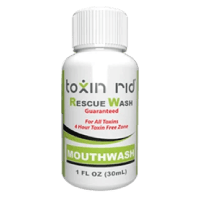
- The 30-Minute Window: About 15-30 minutes before you walk into the testing facility, use a detox mouthwash. If you’re using a commercial product like Toxin Rid Rescue Wash, the protocol is typically to swish one-third of the bottle for three minutes, spit, and repeat twice more with the remaining solution. This creates a temporary clean window in your mouth.
The 12-24 Hour Crunch
This is the most common and stressful scenario. The plan gets more aggressive and hour-by-hour.
- Abstinence & Hydration: Same as above—stop all use immediately and hydrate steadily.
- Hourly Oral Maintenance: Your brushing and flossing routine becomes more frequent. Aim for a thorough session every 3-4 hours if possible. The goal is constant mechanical removal of any residue.
- Strategic Timing: Your detox mouthwash (or a high-quality antiseptic mouthwash if that’s all you have) is still your 15-30 minute pre-test weapon. Use it as directed right before you leave for the test.
The Under 12 Hour Emergency
This is the emergency scenario, and I have to be straight with you: the success rate here is lower. But people have pulled it off, so you focus on damage control.
- Total Focus on the Mouth: You don’t have time for systemic clearance. Your entire strategy is about creating a temporary, localized clean zone in your oral cavity.
- Aggressive Oral Hygiene: Brush, floss, and rinse with mouthwash every 1-2 hours. Be thorough but careful—over-brushing can cause raw gums.
- Rapid-Action Products: This is where products like Oral Clear Gum come into play. Their effects are designed to peak within 10 minutes and last about 30. You’d chew it for 30 seconds, swish the liquid, and swallow right before your test. A detox mouthwash used immediately before is also critical.
- Stimulate Saliva Flow: Chew sugar-free gum on your way to the test. Sour candy can also help. Increased saliva flow helps dilute and clear metabolites faster.
Day-Of-Test Checklist
No matter your timeframe, these are non-negotiable on test day:
- No Food or Drink: For at least 10 minutes prior to the test, as required by the collection procedure. This prevents anything from interfering with the swab.
- Final Cleanse: Use your chosen detox mouthwash or gum in the 15-30 minute window before your appointment.
- Avoid Irritants: Don’t smoke tobacco or drink coffee right before. They can dry out your mouth or introduce other compounds.
- Stay Calm: Anxiety can dry your mouth out. Take a breath. You’ve followed the steps.
Now, this step-by-step plan is your best evidence-based shot for a standard, on-site mouth swab. But what if you get the news that your swab isn’t being analyzed on the spot? What if it’s getting packaged up and sent off to a strict laboratory for confirmation? That’s a different variable, and it changes the risk calculation.
Navigating a Lab-Confirmed or High-Scrutiny Oral Swab Test
“My test is getting sent to the damn lab.” If that’s your scenario, listen up, because the variables just changed. Let’s break down what that actually means for you.
A standard, on-site mouth swab is an immunoassay screen. It’s a quick, broad-stroke test looking for the presence of drugs above a certain cutoff. It’s fast, but it can be less specific. A lab-confirmed test is a two-step protocol with a much sharper knife.
Here’s the procedure: First, your saliva sample is screened. If it comes back presumptive positive for any substance—like THC—then and only then does it go to the confirmatory step. This is where the sticklers in lab coats use machines like gas chromatography-mass spectrometry (GC-MS) or liquid chromatography-tandem mass spectrometry (LC-MS/MS). These are the gold standards. They don’t just guess; they identify the exact molecular fingerprint of the drug metabolites. And the confirmatory cutoff levels are often lower than the initial screen, meaning they’re looking for even tinier amounts.
So, does this “patch” the old DIY loopholes? In a way, yes. You’re dealing with higher precision. But here’s the critical variable that’s still in your favor: the fundamental science of oral fluid detection hasn’t changed. THC metabolites are present in your saliva primarily through direct exposure from recent smoking, and they clear out on a relatively short, predictable timeline. The lab machine is just better at seeing what’s there; it doesn’t make the metabolites stay in your mouth longer.
Your core defense—the oral hygiene protocol to physically remove residue from your mouth’s mucous membranes—is still your primary action. But for a high-stakes lab test, you must double down and consider these additional risk-mitigation steps:
- Extend the Abstinence Window: If you have any notice at all, every additional hour you don’t smoke before the test is an hour for your mouth to naturally clear. For a lab test, an estimate of 24-48 hours is a much safer minimum than the bare minimum for an instant screen.
- Double-Down on Oral Hygiene: Be meticulous. The goal is to leave as few nanograms per milliliter of analyte in your sample as possible. The lab’s lower cutoff means a half-hearted effort is more likely to fail.
- Understand the “Inconclusive” Possibility: Lab tests have strict validity checks. If the sample is too small, appears tampered with, or has an abnormal pH, it can be reported as “invalid” or “inconclusive.” This isn’t a pass—it usually means a retest—but it can buy you critical time.
Your Decision Tree for a High-Stakes Lab Test:
- If you get a presumptive positive notification, you have rights. Immediately request a confirmatory test on the original sample. This is non-negotiable.
- Contact the Medical Review Officer (MRO) within 72 hours. This is the doctor who reviews results. Have a list of all prescriptions, supplements, and even recent foods (like hemp seeds) ready. False positives from cross-reactivity are a real loophole.
- Ask about a split specimen test. If the collection split your sample into two vials, you can request the second be analyzed at a different certified lab. If it doesn’t confirm at the cutoff, the original positive is canceled.
- Scrutinize the chain of custody. Look for any procedural errors: Was the swab fully saturated? Did they observe the required 10-minute oral abstinence period before collection? Any breach can invalidate the test.
Let’s be clear: a lab test is harder to fool. But the protocol isn’t magic. It’s just a more sensitive measurement of the same metabolites that are already on a short timeline in your mouth. Your best estimate is to maximize that timeline advantage with rigorous preparation.
After the Test: Understanding Employment Consequences and Retesting Rights
So you’ve taken the test. Now comes the hardest part for a lot of folks: the wait. That agonizing period where you’re just left wondering, “Did I do enough?” Let’s walk through what’s likely happening on the other side, because knowing the process can take a lot of the fear out of it.
If this was for a new job, like at Amazon or a similar major employer, here’s the typical scenario. The initial result from the collection site is often just a preliminary screen. If it’s negative, you’ll usually hear back pretty quickly with a start date or next steps. If it’s presumptive positive, the protocol gets more serious. That sample gets sealed and shipped to a certified lab for confirmation testing. This is the part that stresses everyone out, but remember our earlier point: the lab is just using a more sensitive machine to look for the same metabolites. If the confirmation test doesn’t hit the cutoff level, the original positive is canceled.
Before any final decision, a Medical Review Officer, or MRO, should contact you. This is a licensed doctor whose job is to review the lab results. They will call you to ask if you have a legal prescription for any detected substance. This is your chance to explain a valid prescription for, say, a painkiller. For THC, without a prescription in most states, there’s not much to explain. The MRO then reports the verified result to your employer. The most common consequence of a confirmed fail for a pre-employment test is a rescinded job offer. For a random test at a current job, it could mean termination, depending on company policy.
If this test was for probation, the stakes are different and the process is more direct. A failed mouth swab test is typically reported directly to your probation officer as a violation. This can trigger serious consequences, like a warning, increased testing, mandatory treatment programs, or even a hearing that could risk your probation status and freedom. The procedures here are strict, and there’s often less room for appeal. For a deeper dive into navigating that specific scenario, you’ll want to check out our specialized guide on how to pass a drug screen for probation.
Now, about retesting and your rights. Some employers, especially for inconclusive or borderline results, may allow a retest. Always ask about their official policy. Importantly, in states that have passed laws protecting off-duty marijuana use, there may be legal limits on what an employer can do with a positive THC result. Know your local laws. The key is to not panic after you walk out of the testing room. Understand the chain of events, know who makes the decision, and remember that the short detection window you just exploited is your biggest variable in this whole equation.
FAQ: Clearing Up Common Myths About Passing a Mouth Swab Test
Q: “I smoke dabs and carries all day, every day. Does this even work for concentrates, or just flower?”
A: This is a critical variable. The method works by clearing residue from your oral cavity. Concentrates like wax, shatter, and distillate cartridges are highly potent, but they still deposit THC directly in your mouth when you inhale. The principle is the same—you need time and cleansing to remove that residue. However, if you’re a heavy, daily concentrate user, you are likely depositing a higher concentration of THC with each session. My estimate is that you should lean toward the maximum end of the recommended abstinence window and be extremely thorough with the cleansing protocol. The science doesn’t differentiate the type of THC residue, only its presence and concentration.
Q: “Will they test for nicotine too? I’m stressing about my cigarettes/dip.”
A: Standard workplace 5-panel or even 10-panel mouth swab tests do not screen for nicotine or its metabolite, cotinine. These tests are designed to detect illicit drugs and specific prescription medications of abuse. Unless you are applying for a job with a specific tobacco-free policy that includes nicotine testing (some healthcare or insurance-driven wellness programs do this), your nicotine use is not a factor. Don’t add that to your stress load.
Q: “I only have like 12 hours. Am I totally screwed?”
A: It’s a high-pressure scenario, but not necessarily a lost cause. The entire strategy hinges on the short detection window of saliva tests. Twelve hours is on the very edge of the timeline, especially for a heavy user. Your success estimate drops significantly, but it’s not zero. You must implement the cleansing protocol with absolute precision—no shortcuts. The goal is to physically remove as much residue as possible from the surfaces of your mouth. If you can secure even 24 hours, your odds improve substantially.
Q: “What about cranberry juice, vinegar, or those other home remedies I see online?”
A: Let’s be direct: relying on these is a major mistake. While acidic drinks like cranberry juice or vinegar can temporarily alter your mouth’s pH and stimulate saliva flow, the effect is fleeting—minutes, not hours. Worse, some acidic substances can cause false presumptive positives on certain test systems like the Orasure Intercept if you’re tested too soon after consumption. You’re introducing a new variable that can backfire. The proven method isn’t about magic drinks; it’s about time and mechanical cleansing.
Q: “All those success stories in the comments can’t all be real. Are they just bots or lucky?”
A: I understand the skepticism. Here’s the reality: saliva drug tests have a relatively high rate of false negatives, especially for THC. Studies show at-home saliva test sensitivity for cannabis can be as low as 29-30%. This means the tests themselves miss a lot. So yes, some people pass simply because the test wasn’t very sensitive or the collection was flawed. Others pass because they followed the core variables: they stopped using for a sufficient window and cleaned their mouth thoroughly. The protocol isn’t a magic trick; it’s about maximizing your odds within the known limitations of the technology. It won’t work for everyone in every scenario, but it’s grounded in how these tests actually function.
Q: “My test is getting sent to a lab. Does that change everything?”
A: It changes the stakes, not necessarily the strategy. Lab confirmation (using GC-MS or LC-MS/MS) is more sensitive and specific than an instant on-site test. However, the lab is analyzing the sample collected at the clinic. If your oral fluid is clean at the moment of collection, the lab has nothing to detect. The lab’s higher scrutiny makes your preparation more important, not less. The cleansing protocol is designed to give you a clean sample at the point of collection. A lab test just means there’s less room for error.
Q: “I was around people smoking but didn’t hit it. Can I still fail?”
A: Under normal, real-world conditions—like in a ventilated room or a car with the windows down—the answer is almost certainly no. Research shows that for passive exposure to cause a positive oral fluid test, you need extreme conditions: a sealed, unventilated room with heavy smoke for a prolonged period. Even then, the THC levels drop to undetectable within about 30 minutes of leaving that environment. If you’re worried, simply ensure you have at least 30-60 minutes of fresh air and normal breathing before your test. The test procedures themselves often include a waiting period to prevent this exact issue.
Q: “I’m on a bunch of prescriptions. Could that mess up my test?”
A: This is a vital point. Certain legal medications can cause false positives on initial screening tests. For example, some antidepressants like bupropion (Wellbutrin) or trazodone can trigger an amphetamine positive. Pseudoephedrine in cold medicine can do the same. If you have a valid prescription, do not disclose it to your employer beforehand. If your test comes back positive, you will be contacted by a Medical Review Officer (MRO). That is when you provide your prescription information. The MRO’s job is to verify it with your doctor or pharmacy. If the levels match your prescribed dosage, they will typically report the test as negative to the employer. Know what you’re taking.
Advanced Troubleshooting: Last-Resort Options When Preparation Fails
All right, let’s talk about the scenario you’re hoping to avoid: the preparation didn’t work, or you simply had no time to prepare at all. This is the “break glass in case of emergency” guide. We’re not talking about passing here; we’re talking about damage control, managing outcomes, and understanding your limited options. The goal shifts from a clean pass to harm reduction and navigating the system.
If You Can Delay, Even by an Hour
The single most effective last-resort tactic is to postpone the test. If you have any legitimate reason to reschedule, use it. Claim a sudden migraine, a family emergency, or that you’re feeling ill and don’t want to risk contaminating the specimen. Every hour you can buy is an hour your body is naturally clearing metabolites. If you can push the test by 24 or 48 hours, your odds improve dramatically. To understand what that delay is worth, you need a realistic picture of the biological timeline. The difference between testing at 12 hours versus 36 hours after last use is significant, especially for a heavy user. If you have the option to create a delay, first understand how long it takes to get weed out of your system to know if it’s even worth the attempt.
Understanding “Invalid” or “Inconclusive” Results
Sometimes, a specimen doesn’t yield a clear positive or negative. The lab may report it as “invalid,” “rejected,” or “inconclusive.” This isn’t a pass, but it’s not a fail either—it’s a procedural do-over. Common causes for an oral fluid sample being deemed invalid include:
- Insufficient Volume: The swab didn’t collect enough saliva.
- Procedural Error: The collector didn’t follow the correct protocol, like not waiting the required time after your last drink.
- Specimen Issues: The sample was contaminated, had abnormal characteristics, or the collection device was expired.
An invalid result typically triggers a retest. For a pre-employment or safety-sensitive test, that retest might be under direct observation, which is more stressful, but it’s still a second chance. The key is that an invalid result cancels the original test—it’s not reported as a positive.
When to Consider Legal Consultation
This is a serious step, but if your test is for probation or a court-ordered program, the stakes are your freedom. If you believe the test was administered incorrectly or the chain of custody was broken, you may have grounds to dispute the result. A broken chain of custody—like missing signatures or tampered seals—can render a result inadmissible. This is not a DIY move. You would need to consult with a legal professional who specializes in this area immediately after the test to review the procedure. Do not admit to anything or sign additional paperwork until you’ve explored this option.
The Hard Truth About Last-Resort Scenarios
I have to be straight with you: if you walked in as a heavy, daily user with less than 12 hours of abstinence and no ability to delay, the odds are not in your favor. Modern lab screenings are sensitive. Attempting to adulterate the swab with chemicals like hydrogen peroxide right before the test is a massive gamble—it can cause an invalid result, but labs also screen for oxidizing agents, which can flag you for attempted tampering. That carries its own set of consequences.
This section is about understanding the system’s mechanics when you’re at your most vulnerable. It’s about knowing that an invalid result isn’t a death sentence, that delay is a powerful tool, and that for the highest-stakes tests, procedural errors are a legitimate point of challenge. It’s not a magic fix, but it’s a map of the remaining terrain.
The Bottom Line: A Clear Plan to Avoid Mistakes and Pass Your Test
You’ve been through the wringer—the anxiety, the bad advice, the panic. But now you have the map. Let’s cut through the noise and lock this down.
The journey here was about avoiding three critical errors that trip people up:
- Misunderstanding the test itself—thinking it works like a urine test or lasts for weeks.
- Ignoring your personal timeline—not accounting for your heavy use and the test’s short detection window.
- Trusting myths over method—wasting time and risking burns with unproven, harsh home remedies.
The proven method is built on a simple, two-part foundation: the science gives you a short detection window of 5-48 hours, and your action is a disciplined, step-by-step oral cleansing protocol to exploit that window.
You now have the knowledge to move from panic to a clear plan. Use it to secure the job and protect your personal freedom. You’ve got this.
