
You got told about a mouth swab test, and the clock just started. Here’s the hard truth: you can’t rewind what you used, and you don’t have days to spare. But you can shift the odds. Fast. Most guides promise magic. We won’t. We’ll show you what actually changes your risk in the next few hours, what doesn’t, and why timing beats every hack you’ve seen on social. If you’ve wondered how to pass a mouth swab test for THC without hurting yourself or your chances, you’re in the right place—because what you do in the next hour matters more than anything you did last week. Ready to see what really works and what’s just wishful thinking?
Important: This guide is for educational purposes only and does not replace professional, medical, or legal advice. Policies and laws vary. For safety‑sensitive roles (like transit operations), abstinence is the only reliable strategy. Never use masking to hide on‑duty impairment.
What an oral swab looks for in your saliva
Misconception: A saliva test reads your whole body like a full system scan.
Correction: It’s a local snapshot of what’s in your mouth right now. An oral swab collects fluid from your cheeks, tongue, and gums. It detects parent drugs and active metabolites that are present in oral fluid for a short time. You’re not being measured for everything deep in your bloodstream or locked in your hair—just what’s likely from recent use.
And yes, do mouth swabs test for THC? They do. Common onsite panels include THC (the active compound in cannabis), plus cocaine, amphetamines, opiates, PCP, and sometimes benzodiazepines or barbiturates. Employers often use 5‑, 7‑, or 10‑panel devices. Brands vary, but the idea stays the same: look for recent use fast.
Cutoff levels matter because they decide what counts as a positive. For THC, many programs reference an initial screen around 4 ng/mL and a confirmation around 2 ng/mL. Devices and lab policies differ, but those numbers explain why one person passes after 36 hours while another doesn’t. If your levels sit below the cutoff at the moment of testing, the device reads negative.
These tests exist for short windows on purpose. Saliva is designed to catch very recent use—often within 24–72 hours for THC. That’s why employers use them for pre‑shift checks or post‑incident screens. Accuracy is high when done properly; manufacturers often publish sensitivity and specificity near the high 90s for onsite screens. Non‑negative results typically go to a lab for confirmation using more sensitive methods like GC/MS or LC‑MS/MS.
Wondering how does a mouth swab drug test work? A collector uses a sponge‑tipped stick to swab inside your mouth for 1–3 minutes. Some devices show a line or color change onsite. Others send the sample to a lab. You’ll see outcomes like negative, positive (pending confirmation), or invalid if the device can’t read the sample.
Recent use drives your risk far more than anything else
Misconception: Your metabolism or a special drink determines everything.
Correction: Timing and frequency dominate. Saliva tests flag the near past. If you’re an occasional user, the last 24–72 hours are the risk zone. If you’re a daily or heavy user, that window can push longer—especially with high‑potency vapes or edibles that cling to oral surfaces and linger in fluid.
Occasional THC use often fades from saliva within about one to two days, sometimes stretching to 72 hours depending on dose and device sensitivity. Chronic use can carry over beyond 72 hours because your mouth and oral tissues can trap residue that slowly leaches into fresh saliva.
Personal factors nudge things. Age, oral health, saliva flow, and even how vigorously you brush your tongue can shift detection a bit shorter or longer. Devices differ too; some have lower cutoffs that catch lighter exposure. Meanwhile, lab confirmations use stricter thresholds than initial screens, which is why a borderline onsite result sometimes flips after confirmation.
Rinsing once right before the test is not a fix on its own
Misconception: One quick swish of mouthwash right before the swab equals a pass.
Correction: A single rinse can reduce surface residue for a moment, but it rarely changes salivary composition for long. The swab touches cheeks, gums, and tongue—multiple sites, not just the surfaces you rinsed. And overusing alcohol‑based rinses can backfire by drying your mouth. Dry mouth concentrates what’s left in your saliva, which can raise risk.
Short‑term improvements are possible, but they fade. A layered approach works better: steady hydration for a few hours, saliva stimulation, thorough oral cleaning well before the test, and timed use of a purpose‑made detox mouthwash if you’re in a same‑day crunch. If you choose a detox mouthwash, instructions and timing matter far more than the brand’s hype.
Strong coffee, vinegar, or random home hacks won’t save a same‑day test
Misconception: Coffee, vinegar, or baking soda can neutralize THC on contact.
Correction: Coffee doesn’t neutralize THC. It can dehydrate you and lower saliva volume—a double negative. If you’re asking “can you drink coffee before drug test,” it’s smarter to avoid strong coffee in the final hour and prioritize water or mild herbal tea.
Vinegar and harsh acids don’t reliably alter detection and can irritate your mouth. Irritation triggers exudate and, ironically, more measurable material in saliva. Most “shock” rinses—baking soda, salt, undiluted peroxide—either don’t last or can damage mucosa. Charcoal, detox teas, and cranberry juice target urine chemistry in theory, not oral fluid, and lack strong evidence for saliva tests.
If you used only once and it’s been 24–48 hours, low‑risk basics could be enough. If you used within hours, you need precise, layered steps with realistic expectations about what they can and can’t do.
High fat snacks and sour candy can help a little but they have limits
Misconception: A spoonful of peanut butter “wipes” THC from your mouth.
Correction: THC is lipophilic—it likes fat—so high‑fat foods may marginally reduce surface residue in the short term. Think peanut butter, nuts, or cheese. But the effect is modest and inconsistent. It doesn’t change what’s actually in your saliva for very long.
Sour candies can help by boosting saliva flow. Citric acid stimulates glands, and a lower oral pH can add a small layer of complexity for some test chemistries. Still, it’s short‑lived. Best practice: suck, don’t chew, a couple of sour candies 10–15 minutes before collection to keep saliva moving. Combine with proper hygiene and a safe rinse. Don’t rely on snacks or candy alone.
Stimulating fresh saliva helps while dry mouth hurts your odds
Misconception: Less spit means less to test, so that’s good.
Correction: Dry mouth concentrates what’s there. More fresh saliva helps “dilute” concentrations in oral fluid within safe, natural limits. Here’s a simple, safer pattern:
Start sipping water early. Small, frequent sips over a few hours maintain flow without soaking your mouth right before the swab. Herbal tea works too. Skip dehydrating drinks—alcohol, strong coffee, or heavy energy drinks—for several hours pre‑test.
Chewing gum (mint or citrus) increases saliva volume. Spit it out 10–15 minutes before the collection unless told otherwise. Gently brush teeth, tongue, and even the inside of your cheeks. A soft tongue scraper helps. This reduces residue that could leach into saliva. Just don’t over‑rinse right before the swab; too much liquid can cause an invalid sample request and more scrutiny.
Hydrogen peroxide can be useful but it has timing and safety limits
Misconception: A strong peroxide gargle “sterilizes” your mouth for hours.
Correction: If you use it, keep it mild and mindful. The common approach people ask about is how long to gargle hydrogen peroxide. Use a 3% solution, dilute it 1:1 with water, swish for 30–60 seconds, and spit. You can repeat once after a few minutes. Don’t swallow it. Overuse can irritate tissues—irritation can increase exudate and the chance of an invalid or even a detectable sample. Effects are brief, often under 30–45 minutes, and vary by person.
For many, a purpose‑made detox mouthwash is easier to time and gentler than DIY oxidizers. If you have a dry or irritated mouth, sores, or gum issues, skip peroxide entirely and rely on hydration, gentle hygiene, and saliva stimulation.
Quick acting mouthwashes can create a short window if you use them right
Misconception: A “best mouthwash for swab test” exists and works no matter what or when you used.
Correction: These are masking agents for saliva drug tests. They can neutralize or rinse residues and create a short, timed window. They don’t erase heavy or very recent use. Follow the label exactly. Most require multiple swishes and a tight finish time before the swab. Expect a short “clear” window—sometimes 30 minutes to a few hours depending on the product and your exposure level. Buy from official sellers to avoid counterfeits, and use the return policies many vendors provide.
Toxin Rid Rescue Wash in real world use
This detox mouthwash is common in urgent scenarios. Typical format: a 1 oz bottle. Directions usually call for three cycles—sip about one‑third, swish for 2–3 minutes, spit, and repeat until finished. Reported timing suggests a window of roughly 1–4 hours, with many users aiming to finish 15–30 minutes before testing. It’s alcohol‑free and lists ingredients like aloe, witch hazel, mint, and ascorbic acid. Prices hover around the thirty‑dollar range. Pros: compact, discreet, and consistent instructions. Cons: short window, strong taste, and variable results for heavy, very recent THC use.
If you’re comparing options, you’ll also see people mention toxin rid mouthwash or the full name toxin rid rescue wash mouthwash interchangeably.
Stinger Detox Mouthwash in practice
Stinger’s format is usually a 2 oz bottle. The directions commonly say to sip, swirl for at least a minute per sip, and swallow until finished. The stated window is short—around 30 minutes—so you plan to finish moments before you’re swabbed. Ingredients often include taurine, niacin, lysine, D‑ribose, and MSM, and it’s alcohol‑free with a vanilla flavor. It typically costs between twenty and thirty‑five dollars. Pros: larger volume and a more pleasant flavor than some. Cons: very short window and mixed effectiveness for heavy or very recent THC exposure.
Saliva neutralizing gum and how it differs
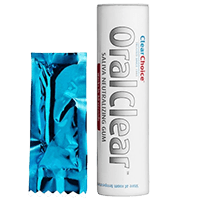
Gum offers stealth when you can’t reach a sink. Products like Oral Clear—a saliva neutralizing gum—are single‑use gel capsules marketed to act in about thirty seconds and last roughly thirty minutes. They’re pricey compared with rinses, often around the ninety‑dollar mark per unit, but they can be discreet. They’re not a substitute for hygiene or hydration. Timing still rules, and they’re best suited for light or occasional users caught off guard.
To understand how these gums are designed to be used and what tradeoffs they bring, see our guide to saliva neutralizing gum. It explains what’s inside the capsule, how the window works, and where people tend to mis‑time it.
A short note on Supreme Klean and similar rinses
Supreme Klean and other last‑minute rinses make similar claims: fast use, short window, and masking for oral swab tests. Instructions and timing often mirror the brands above—swish as directed and finish just before the swab. Expect variation across batches and ingredients. Prioritize official retailers, and remember: regardless of brand, your best chance comes from combining basic hygiene, saliva stimulation, and precise timing—not a bottle alone.
THC timelines and cutoffs in saliva you can actually use
Misconception: THC stays in saliva for weeks no matter what.
Correction: Saliva is short‑term. Here are ranges people can plan around, with the usual caveats for dose, device sensitivity, and frequency of use. Organizations like SAMHSA outline common cutoff practices, and many workplace programs align to those ranges even if exact thresholds differ by policy.
| Scenario | Typical saliva window | Notes on cutoffs |
|---|---|---|
| Occasional THC use | About 24–48 hours, sometimes to 72 | Initial screens often ~4 ng/mL; confirmations around ~2 ng/mL; devices vary |
| Light to moderate use | Up to ~72 hours | Potent vapes/edibles can extend the higher end |
| Daily or heavy use | Can exceed 72 hours in some cases | Residue in oral tissues may leach into fresh saliva |
| Alcohol (for context) | Often up to 12–24 hours | Special alcohol panels exist; avoid alcohol‑based rinses near test time |
When people ask how long does weed stay in saliva, this is why the answer includes ranges. If you took a couple of puffs, many pass in 24–48 hours, but a strong vape pen and a sensitive device can stretch that. When in doubt, abstain longer and self‑test if you can. Even a pharmacy oral test can give you a rough read.
Things besides drugs that can nudge a swab result
Misconception: Only the drug matters. Nothing else can interfere.
Correction: Plenty can get in the way—enough that device makers warn about it. If you’re wondering what can interfere with a swab drug test, here are common culprits: food debris or dairy films can clog the device’s wicking action, causing invalids. Heavy oils right before the swab do the same. Stop eating 10–20 minutes before collection to keep the path clear.
Very dry mouth concentrates residues and makes it tough to collect enough sample. Antihistamines and decongestants can dry you out. Aggressive peroxide right before a test can irritate gums and trigger an invalid result. Tobacco or nicotine just before testing can alter saliva chemistry and create confounders—saliva nicotine panels often target cotinine specifically.
Bleeding gums can contaminate saliva. If your mouth is sensitive, brush gently and time your cleaning a couple of hours ahead, not minutes before the swab.
From swab to result and how long it takes
Misconception: You’ll wait days for any answer.
Correction: Collection is quick—about 1–3 minutes—and onsite devices show lines or colors within minutes. If the result is non‑negative, many employers send the sample to a lab for confirmation. Labs can take 24–72 hours, and policies vary on how soon you’re notified.
Your result will read negative (below cutoff), positive (at or above cutoff—often pending confirmation), or inconclusive/invalid (insufficient saliva or device error). People often ask how long do swab test results take; the fast screen gives you an immediate idea, while the lab step adds one to three days.
A same day plan to reduce risk without sketchy moves
Misconception: There’s nothing you can do in 12 hours.
Correction: You can improve your odds by stacking small, safe steps. If you’re facing how to pass mouth swab test in 12 hours for THC, think in phases. This is a cautious, harm‑aware routine that respects your health and the test:
Stop using cannabis and nicotine as soon as you learn about the test. Avoid alcohol and strong coffee in the last several hours. Every 20–30 minutes, take small sips of water or herbal tea to support saliva flow. Don’t chug right before the test.
Two to three hours before the test, brush your teeth, tongue, and cheeks. Floss gently. Finish with a mild, alcohol‑free rinse. In the last hour, keep saliva flowing with sour candies. Then, if you choose to, use a targeted detox mouthwash exactly as labeled (for example, the three‑cycle swish for Toxin Rid or the sip‑and‑swirl approach for Stinger) and finish 10–15 minutes before testing. Avoid putting anything else in your mouth after that so you don’t dilute or invalidate the sample.
If available and allowed, a home oral swab kit right before you go can give you a confidence check. It won’t be identical to the employer’s device, but it offers a rough signal.
Notes for nicotine and alcohol screens
Misconception: THC prep helps for everything.
Correction: Panels differ. How to pass nicotine saliva test isn’t the same as THC. Nicotine panels look for cotinine, and timelines depend on how often you vape or smoke—recent use is the main risk. Hydration, oral cleaning, and time away from nicotine are your best near‑term levers. For alcohol, people ask how long can a mouth swab detect alcohol; many panels detect ethanol up to 12–24 hours. Avoid alcohol‑based rinses near the test. THC‑oriented masking products aren’t guaranteed for nicotine or alcohol screens.
If your employer runs mixed panels (THC + alcohol + others), stick to the saliva‑safe basics: hydration, saliva stimulation, gentle cleaning, and careful timing. Even breath mints can contain alcohol—choose alcohol‑free options right before testing.
A realistic example from our transit job readiness sessions
We support East Bay residents preparing for safety‑sensitive transit careers. In one workshop for rail operations applicants, a participant told us they used THC once—36 hours before a surprise oral screen. Panic mode. We walked them through a low‑risk plan: steady hydration, skip coffee and alcohol, thorough oral cleaning three hours ahead, saliva stimulation with sour candies, then a timed detox mouthwash (Toxin Rid) about 20 minutes before the swab. Their onsite screen read negative.
We reminded them—and we’ll remind you—that abstinence and timing did the heavy lifting. The product likely created a short window. That window matters most when your use was light and not within a few hours. For safety‑sensitive roles like operating or dispatching trains, long‑term abstinence is the only reliable, ethical approach. Passing one test is not the same as being safe to work.
Safety, policy, and ethics you shouldn’t ignore
Don’t swallow chemicals or over‑rinse. Protect your oral tissues. Understand your employer’s policy; many transportation and healthcare roles use zero‑tolerance standards with random checks. Masking products are temporary. They don’t change impairment. Never use them to cover on‑duty use.
If you’re struggling with repeated use, consider confidential support through an employee assistance program or a licensed counselor. And if you’re comparing test types, we have a guide that contrasts oral testing with urine screens; if your situation shifts, see our resource on how to pass a urine test for THC to understand differences in windows and approaches.
If your result comes back positive or inconclusive, handle it calmly
Ask about confirmation if the first result was onsite only. Confirmatory testing can rule out false positives. If you take prescribed medications, bring documentation—some can complicate interpretations. For inconclusive or invalid results, request a prompt retest and avoid the behaviors that caused the invalid (like heavy rinsing right before the swab). Review policy for second‑chance programs or retest windows; some employers allow follow‑ups. If you did use recently, consider asking HR about confidential support options.
Questions people ask when time is short
How long does weed stay in your system after a couple of puffs? In saliva, often 24–48 hours for occasional users. Potency and device sensitivity can extend risk, and chronic use can run past 72 hours.
How accurate are mouth swab drug tests? When administered correctly, onsite devices often show accuracy in the high 90s for screening purposes. Non‑negative results usually go to a lab for confirmation using more precise instruments.
What happens if I fail a mouth swab drug test? Outcomes depend on policy: no hire, termination, retest, or a referral to assistance. Check your written policy or talk with HR.
What color does a saliva drug test turn if you fail? Most devices use control and test lines rather than colors you “turn.” A missing test line can indicate a positive, while invalids occur if the control line doesn’t appear. Always read the device’s instructions—brands differ.
How to pass a mouth swab test in 12 hours? Abstain, hydrate with frequent sips, clean thoroughly a few hours ahead, stimulate saliva, and time a detox mouthwash per label. There are no guarantees—timing and use level matter most.
How long does weed stay in your saliva? Occasional: ~24–48 hours; light/moderate: up to ~72 hours; heavy daily: can exceed 72 hours.
How far back will a mouth swab drug test go? Typically hours to about three days for THC. Recent use drives risk more than long‑past use.
What can a mouth swab drug test test for? Commonly THC, cocaine, amphetamines, opiates, PCP, and sometimes benzodiazepines/barbiturates. Employers can choose broader panels.
How to pass a mouth swab test for Amazon? Policies can vary by site and role. Read your instructions, use a home test if you can, and follow the conservative prep steps in this guide. Avoid overconfidence; focus on timing and abstinence.
How to pass mouth swab test in 12 hours for THC? Same core stack: stop using, hydrate, clean, stimulate saliva, and time a detox mouthwash if you choose. Products create a narrow window; they don’t fix very recent heavy use.
Quick start summary
If you used THC recently, stop now. Saliva usually detects 24–72 hours, shorter for one‑off light use. For the next few hours, sip water often, avoid coffee and alcohol, and keep saliva flowing with gum or sour candy. Clean thoroughly 2–3 hours before: brush teeth, tongue, and cheeks, floss gently, and use an alcohol‑free rinse. In the last 30 minutes, use a detox mouthwash exactly as labeled (for example, the three swishes for Toxin Rid or the sip‑and‑swirl for Stinger), then nothing by mouth for 10–15 minutes. Don’t over‑rinse or swallow chemicals, and avoid eating right before the swab. Expect a quick onsite read; lab confirmations take 24–72 hours. If your result isn’t negative, ask about confirmation and next steps. For long‑term success in safety‑sensitive jobs, abstinence is the only reliable path.
Product at a glance
| Option | How it’s used | Approximate window | Best fit | Tradeoffs |
|---|---|---|---|---|
| Toxin Rid Rescue Wash | Three cycles of 2–3 minute swishes | ~1–4 hours, aim for 15–30 min pre‑swab | Occasional users, short notice with sink access | Strong taste; short window; not for heavy very recent use |
| Stinger Detox Mouthwash | Sip, swirl 1 minute per sip, swallow until done | ~30 minutes | Very last‑minute timing | Very short window; mixed reports for heavy use |
| Oral Clear gum | Single‑use gel capsule, act in ~30 seconds | ~30 minutes | No sink available; discreet use | Expensive; precision timing required |
| Supreme Klean & similar | Swish per label, finish right before test | Short, varies by product | Backup option if timing aligns | Brand variability; counterfeit risk; short window |
If you’re looking beyond oral tests—for example, comparing hair or urine—you can explore our guides to related tools used in employment screening. Understanding differences helps you plan ethically and safely over the long haul.
Educational disclaimer: This article summarizes public testing principles referenced by recognized authorities such as SAMHSA and common device manufacturers. It is not medical, legal, or employment advice. Always follow your program’s written policy and consult qualified professionals for personalized guidance.
